


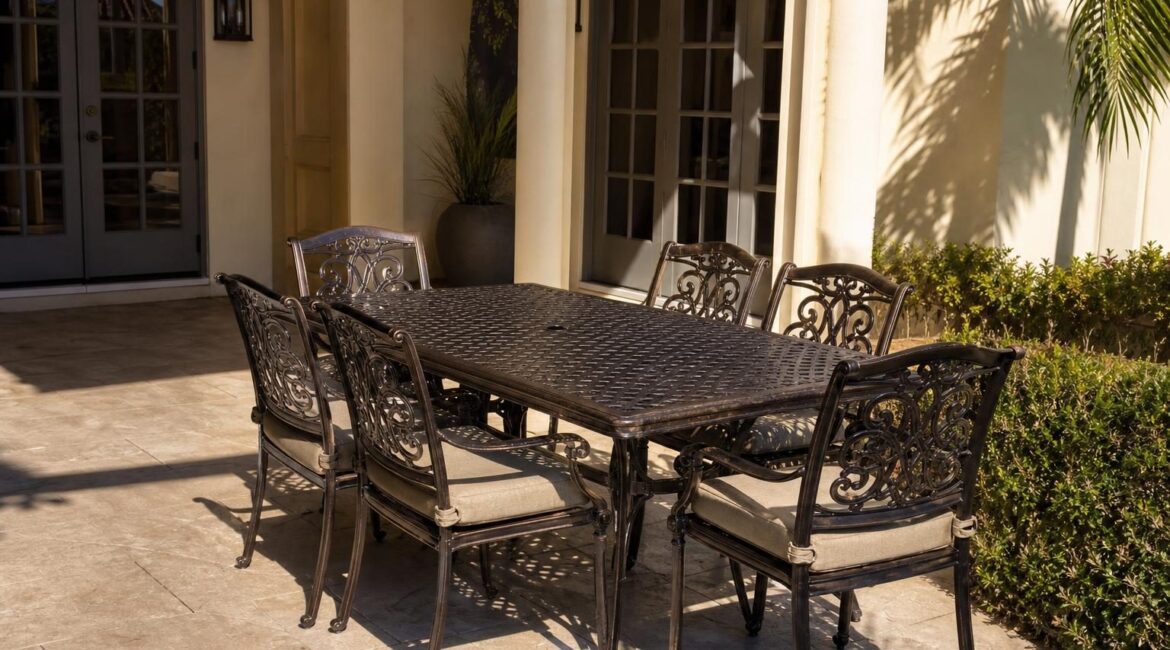
Aluminum patio furniture rarely gets bought all at once. A dining set this year, a couple of extra chairs next spring, a side table when the budget allows. Each of those pieces goes through its own powder-coating run, and that is where powder coat color matching on aluminum patio sets becomes a real, practical concern — not a paranoia, a genuine manufacturing variable worth understanding before you add to an existing set.
Why Powder-Coat Batches Can Vary Slightly
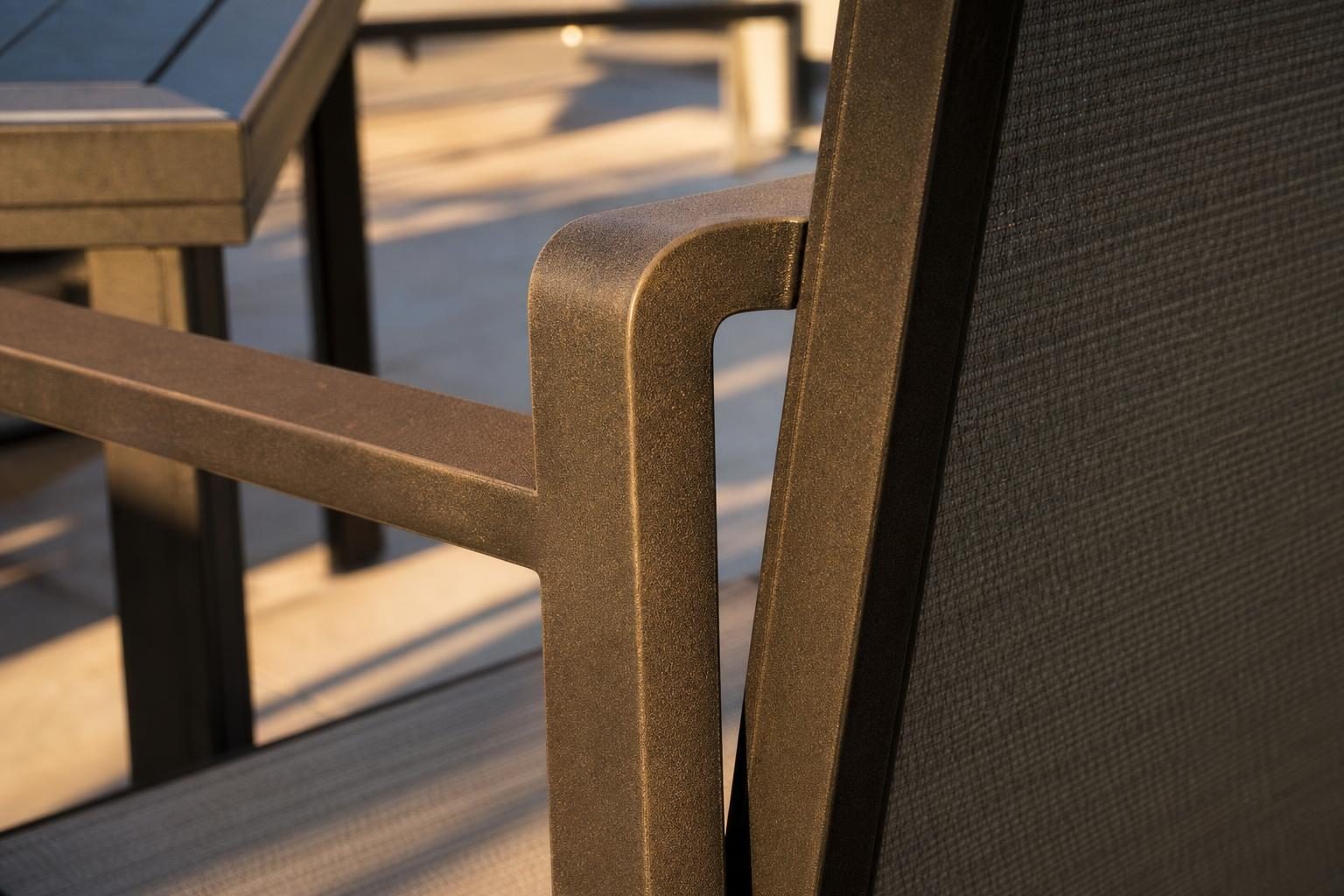
Powder coating is applied as an electrostatically charged dry powder, then cured in an oven, and the exact shade depends on factors like oven temperature consistency, powder batch composition, and cure time. Reputable manufacturers control these variables tightly within a single production run, which is why pieces ordered together typically match closely. Across separate runs, weeks or months apart, a very slight shift in a specific pigment lot can produce a subtle difference that’s really only visible in direct side-by-side comparison, not in normal use.
This isn’t unique to patio furniture — it’s the same reason a car body shop calls out “batch variance” on touch-up paint. Our cast aluminum patio furniture line uses a consistent powder supplier specifically to minimize this across seasons, but zero variance across separate runs isn’t a realistic industry standard for anyone.
How to Keep a Multi-Piece Set Looking Matched
A few practical habits reduce the odds of a noticeable mismatch:
- Order additions as close to the original purchase as practical. The shorter the gap between runs, the more likely the same powder batch and settings are still in use.
- Stick to the same finish name, not just the same visual color. “Bronze” and “Aged Bronze” may look close on a screen but aren’t the same specification.
- Place pieces from different runs in different sightlines when a very close match matters most — for example, a slightly newer accent chair angled beside a table reads better than two chairs from different runs placed directly side by side.
- Ask before you buy whether the specific piece is coming from current inventory or a fresh production run, especially for larger additions like a full dining set extension.
Sun exposure also plays a long-term role: powder coating fades very gradually over years outdoors, so an older piece and a brand-new piece in the same finish name can develop a visible gap over time even without a batch difference at the point of purchase.
What a Genuine Mismatch Looks Like vs. Normal Variance
A true finish mismatch — a different sheen level, a visibly different undertone, or an inconsistent texture — is a legitimate quality concern worth raising with wherever the piece was purchased. Subtle batch-to-batch variance that only shows up under close inspection in direct sunlight is a normal characteristic of powder-coated aluminum, not a defect. Knowing the difference helps set realistic expectations before pieces arrive.
How Manufacturers Try to Minimize Variance
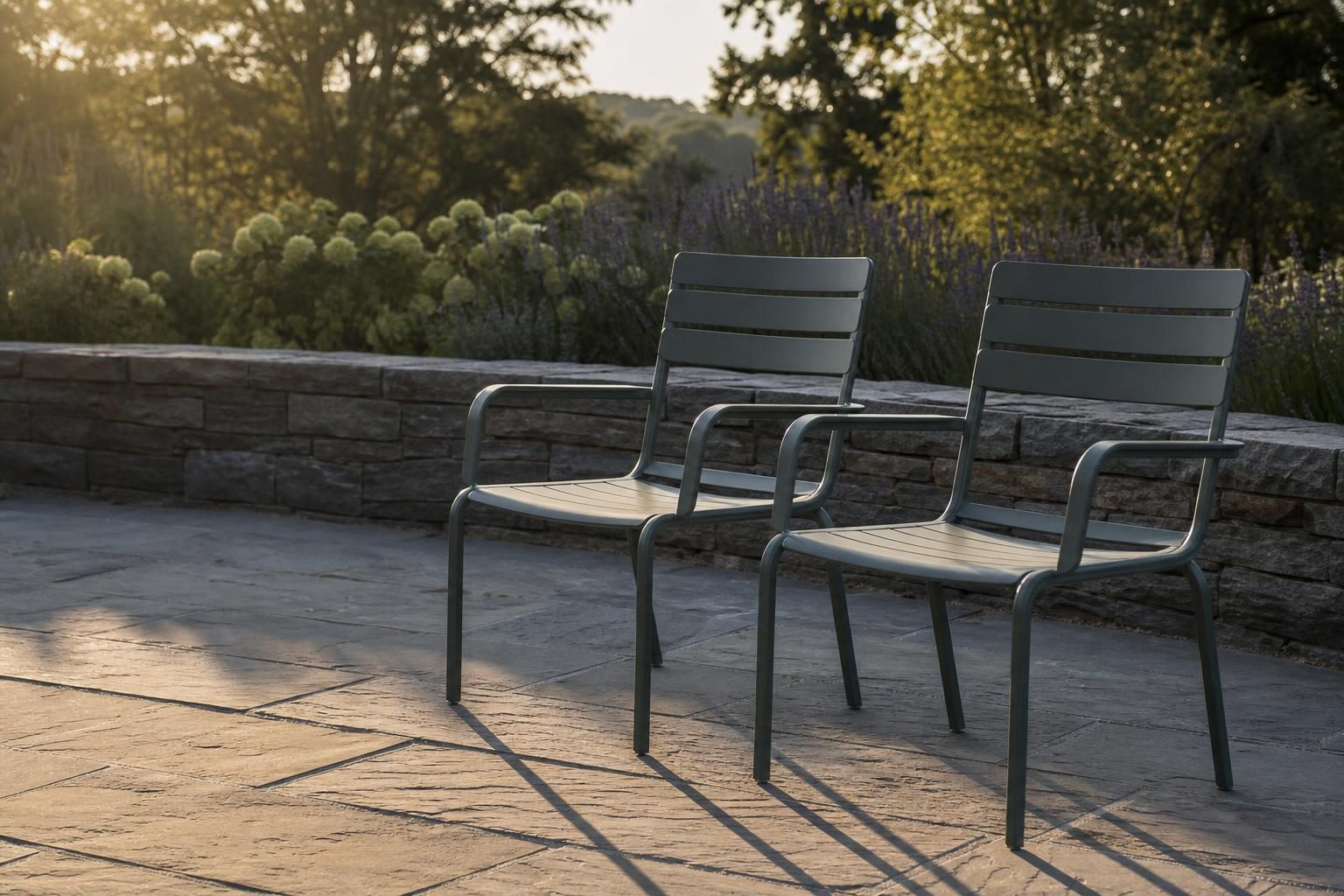
Quality manufacturers address batch variance a few ways: sourcing powder from a consistent supplier and formulation rather than switching vendors between runs, calibrating oven temperature and cure time against a reference sample before each run, and, for larger dealers, holding enough inventory of popular finishes that a same-batch match is realistic for a follow-up order placed within a reasonable window.
None of these steps eliminate variance entirely — that would require guaranteeing identical raw pigment lots indefinitely, which isn’t how any coated-metal manufacturing process works, patio furniture included. What they do is keep the practical, visible variance small enough that it’s rarely noticeable outside a deliberate side-by-side comparison in direct sunlight, which is the realistic standard to expect from a well-run operation.
If a specific finish match matters a great deal for a large addition — say, doubling the seating around an existing dining set — it’s reasonable to ask whether a small physical swatch or a recent-production sample can be checked against your existing pieces before the full order ships. Lighting conditions make a bigger difference to perceived color than most shoppers expect, which is worth factoring in when comparing a swatch or sample to an existing piece. Indoor fluorescent or LED showroom lighting can shift how a finish reads compared to direct outdoor sunlight, sometimes enough that two pieces that look identical under one light source show a subtle difference under the other. For that reason, the most reliable comparison happens outdoors, in the same general lighting the furniture will actually sit in day to day, rather than under showroom lights alone. Time of day matters too, since comparing finishes in full midday sun versus the warmer light of late afternoon can make the same two pieces look closer or further apart depending on when you check. If a match genuinely matters for a significant purchase, it’s worth comparing swatches at more than one time of day before finalizing an order, rather than relying on a single quick look. Camera phone photos add their own distortion on top of natural lighting shifts, since automatic white balance adjustments can subtly warm or cool a photographed finish compared to how it actually looks in person, which is one more reason an in-person comparison beats judging color from a photo alone, even a recent one taken by someone you trust.
Where to See Current Production Before Ordering
The most reliable way to judge current batch color is to see it against your existing pieces in person rather than comparing product photos, which can shift in appearance depending on screen calibration, lighting, and photo editing far more than powder-coat batches typically shift from each other. Bring a piece from your existing set, or a clear photo taken in consistent daylight, when you visit a showroom to compare an addition.
Showroom floor samples generally reflect a recent production run, which makes them a reasonably current reference point, though not a guaranteed match to whatever specific run ships for a placed order weeks later. For the closest possible match on a significant addition, ask whether the dealer can confirm the order will ship from the same production run as recent showroom inventory before finalizing.
None of this needs to feel like an obstacle to expanding a set you already own and like. It’s simply worth setting expectations correctly going in, so a very minor, normal variance doesn’t come as an unwelcome surprise on delivery day.
A quick conversation with our team before ordering an addition is usually enough to set the right expectations, particularly for larger orders where matching multiple new pieces to an established set is the priority.
For general manufacturer guidance on outdoor furniture material care, see Tropitone’s product-care guidance. Confirm the finish and care requirements for the specific collection you are considering.
Frequently Asked Questions
Will two pieces ordered a year apart match exactly?
They should be very close in the same finish name, but a subtle difference is possible given separate production runs. It’s rarely noticeable outside direct side-by-side comparison.
Does powder-coat color fade over time?
Very gradually with years of sun exposure, which is a separate factor from batch-to-batch variance at the time of purchase.
Can a mismatched piece be recoated to match?
In some cases, yes — ask about recoating options for an individual piece if a mismatch bothers you more than typical wear-and-tear variance would justify replacing it.
Does this affect all finishes equally?
Lighter, more uniform finishes tend to show subtle variance less than deep, saturated colors, where undertone shifts are easier to spot.
Building Out a Matched Set
If you’re adding to an existing aluminum set, our team can check current production against your original finish before you order. Call (407) 299-9188 or visit our factory-direct showroom to compare finishes in person before committing to an addition.
Explore Palm Casual
Factory-direct pricing with a risk-free 30-day trial. Visit a showroom or call (407) 299-9188.
Explore Our Buying Guides
Looking for expert advice? Read our Complete Guide to Patio Furniture in Florida or Ultimate Guide to Outdoor Furniture in Florida for tips on materials, maintenance, and choosing the right set for your space.
