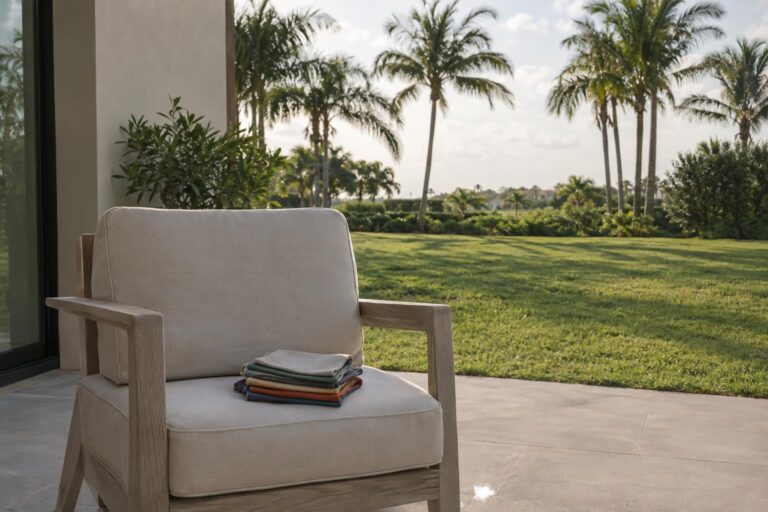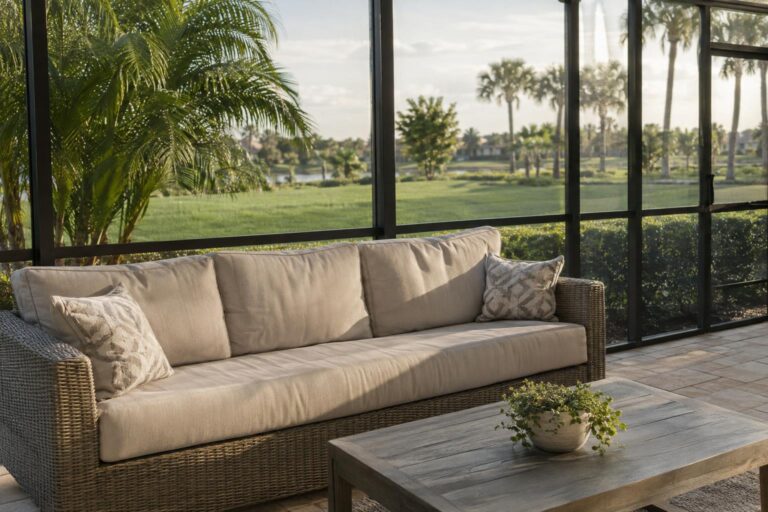

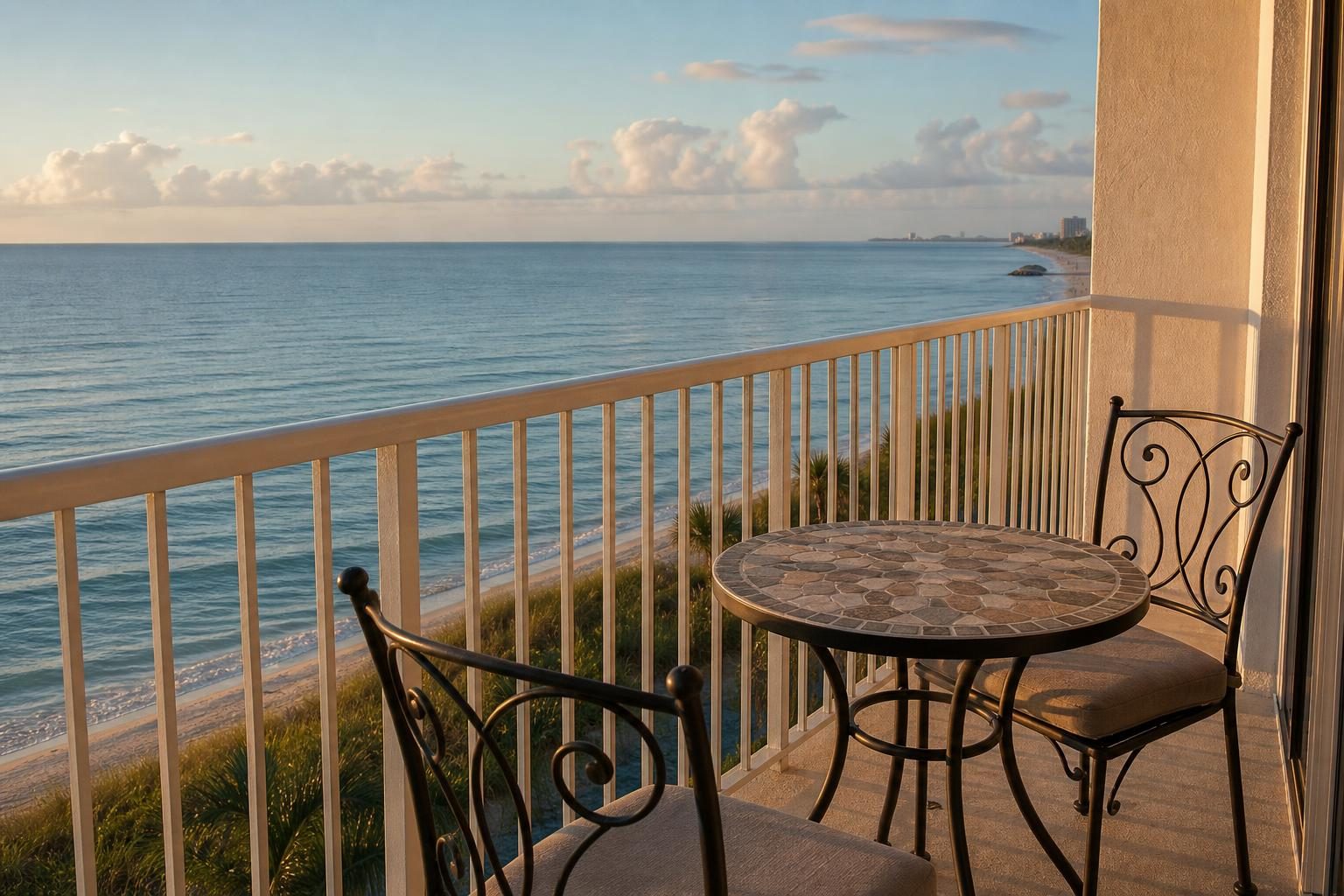
Balcony furniture size limits for small HOA patios are one of the most overlooked constraints in outdoor furniture shopping. It is easy to fall in love with a full-size patio set online and only discover once it arrives that it does not clear a railing, a sliding door swing, or an HOA-mandated walkway width.
Measure the Balcony Before You Measure the Furniture
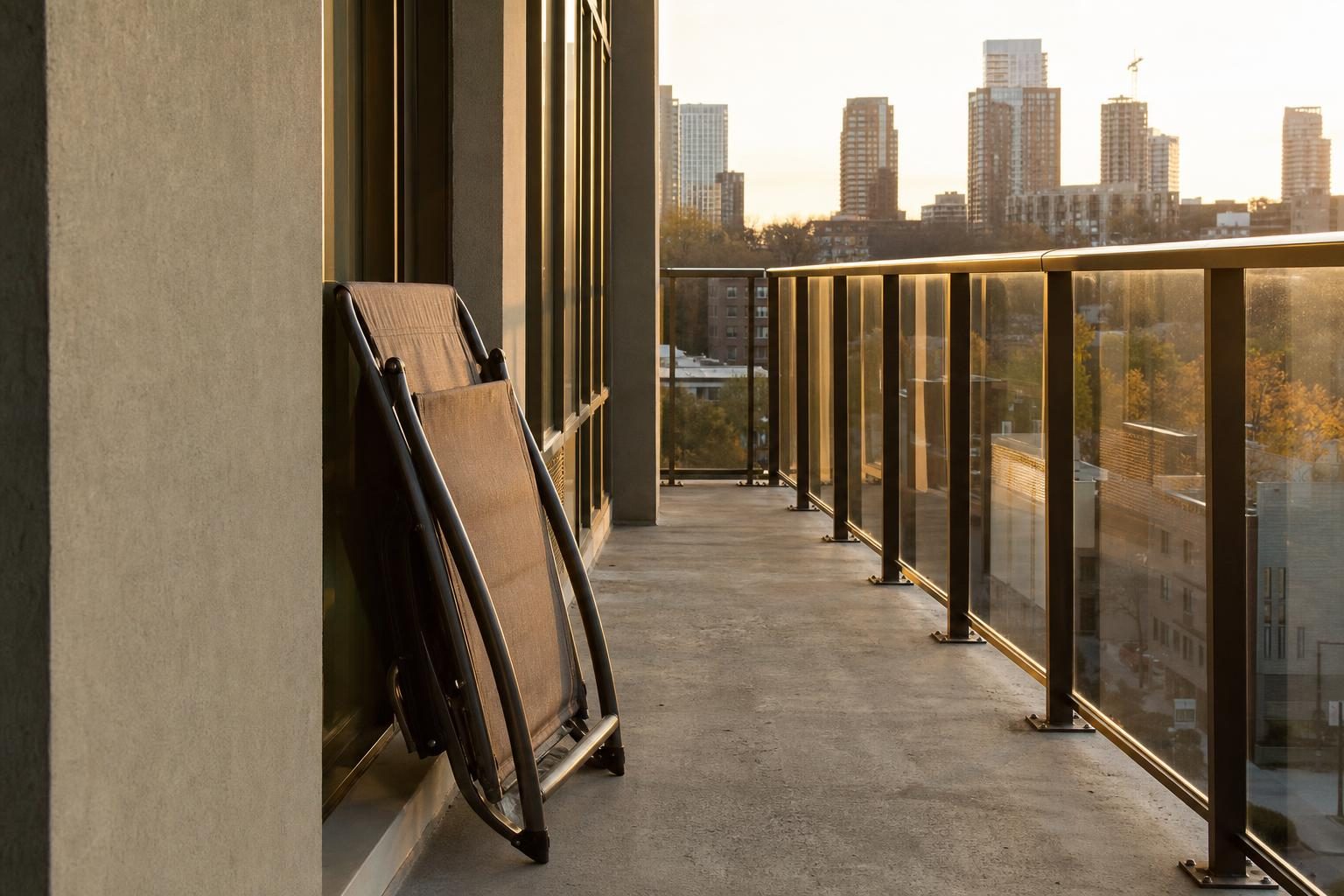
Start with the balcony itself, not the furniture. Measure the total depth from the exterior wall to the railing, then subtract space for the sliding door swing, any railing-mounted fixtures, and a walking path of at least two feet if the balcony is a required fire egress route, which many condo balconies are. What remains is your real usable footprint, and it is often smaller than homeowners expect.
Common HOA and Building Restrictions to Check
Many condo and HOA communities restrict what can go on a balcony beyond just size, including rules on furniture height relative to the railing, what can hang over the edge, and sometimes even furniture color or material to keep balconies visually consistent from the street. These rules vary widely by building, so check your association’s guidelines before buying rather than after.
Furniture That Fits Small Balconies Well
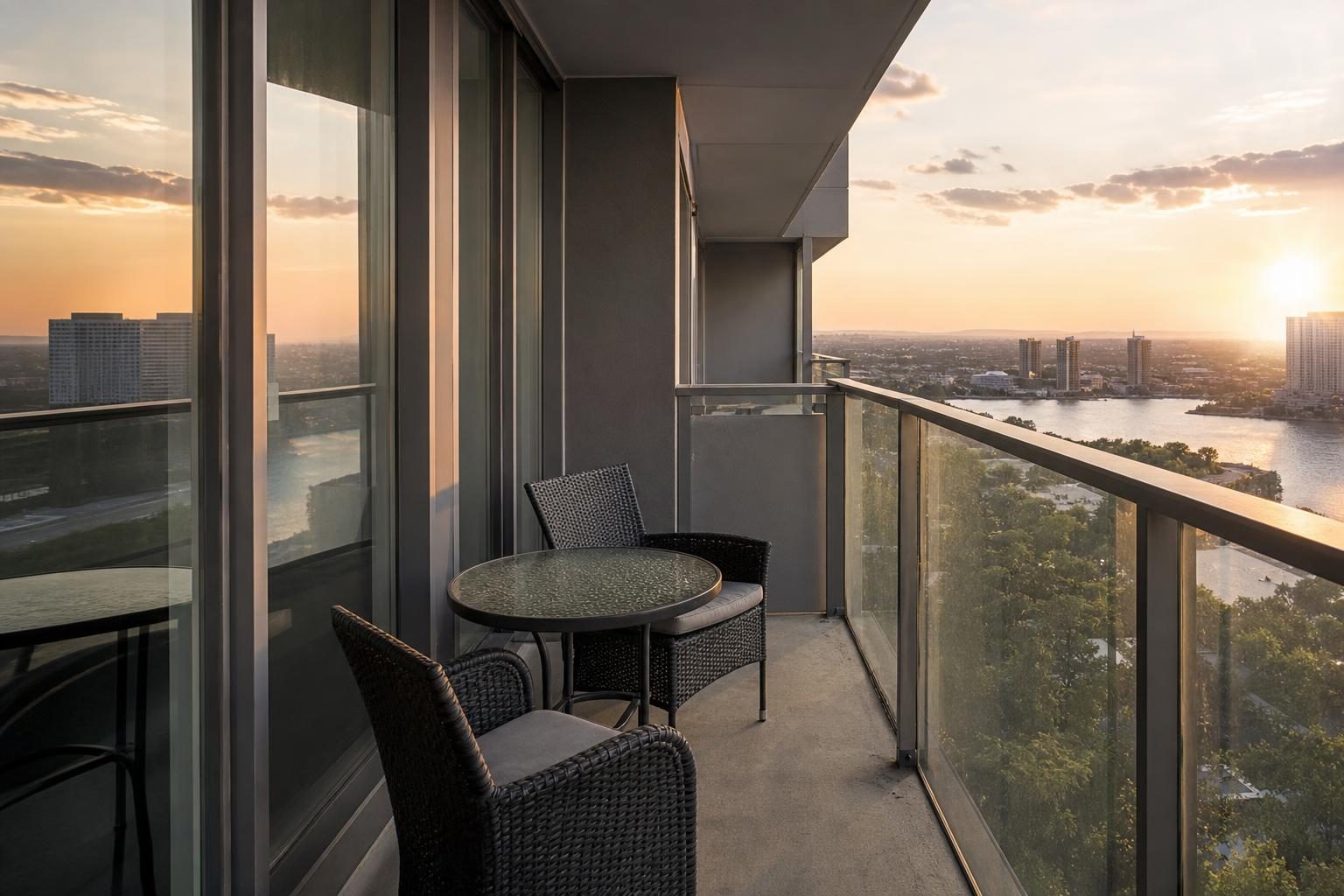
Bistro-style sets, folding chairs, and compact side tables tend to work best on tight balconies because they are sized for close quarters and, in many cases, can be folded or moved when not in use. Look for pieces with a small footprint measured with the chair pulled out, not just the table dimensions alone, since a chair that needs to slide back to be used can eat up more depth than the table itself suggests.
Round tables often work better than square or rectangular ones on tight balconies, since they do not have hard corners competing with a railing or door swing at an angle.
For more on furnishing compact outdoor spaces, see our patio furniture guide. General background on balcony space planning is covered in this overview of balconies.
Palm Casual has sold patio furniture factory-direct out of Orlando for more than 40 years, and our showroom team is used to working through tight balcony measurements with condo and HOA customers across Florida.
Working With Your HOA Before You Order
Because balcony furniture rules vary so widely between associations, the most efficient approach is to request your community’s specific guidelines in writing before you shop, rather than assuming general condo conventions apply. Some associations maintain an approved furniture list or a maximum height allowance measured from the balcony floor; others are more informal but still enforce rules if a neighbor complains about visibility from the street or ground level. Having the guidelines in hand also makes it easier to get a quick yes or no from your property manager on a specific piece before you commit to an order, rather than finding out after delivery that something needs to be returned or adjusted.
Storage-Friendly Options for Very Tight Balconies
For balconies where even a compact bistro set leaves little walking room, foldable or stackable furniture is worth considering specifically because it lets you reclaim the space entirely when it is not in use. A folding bistro table paired with two folding chairs can be stored flat against a wall or in a closet between uses, which matters most on balconies that double as a fire egress route where a clear walkway is required by code rather than just recommended. This approach trades a little convenience, since you are setting furniture up rather than leaving it in place, for meaningfully more usable floor space day to day.
Weight Limits Deserve a Check Too
Beyond footprint, some older or higher-rise balconies carry a maximum load rating that homeowners rarely think to ask about until furnishing a space. This is less of a concern for typical bistro or lounge furniture, but if you are considering several substantial pieces together on a smaller balcony, it is worth a quick check with your building management, particularly for older construction. This is a separate question from HOA style or size rules, and it is worth asking about both before finalizing a balcony furniture plan.
Bringing the Right Information When You Shop
The fastest way to furnish a small balcony well is to arrive with real numbers rather than estimates: the depth from wall to railing, the width available after the door swing is accounted for, any HOA height restriction, and whether a walkway clearance applies. With those measurements in hand, a showroom team can usually narrow down suitable options quickly, rather than you having to guess at fit from photos and general dimensions alone.
Coordinating With Neighbors on a Shared Building
In some condo buildings, balconies are visible from other units or from the street in a consistent line, and an association’s furniture rules often exist specifically to keep that shared view looking cohesive. Even where formal rules are limited, checking in with a property manager or a neighbor before installing something unusual, like an oversized umbrella or a bright, non-standard color, can save a return trip and an awkward conversation later.
Wind and Height Considerations for Upper-Floor Balconies
Higher balconies experience noticeably stronger, more constant wind than ground-level patios, which affects furniture choice beyond just footprint. Very light chairs or a tall, narrow umbrella can shift or tip more easily many stories up than the same pieces would at ground level, even without a storm involved. Heavier compact pieces, or furniture with a lower profile, tend to feel more settled on a high balcony. This is worth discussing with a showroom team member if your unit is on an upper floor, since the right size for the space and the right weight for the wind exposure are two separate questions.
Putting It All Together
Furnishing a small balcony well comes down to layering a handful of constraints in the right order: the physical footprint after door swing and walkway clearance, the HOA’s specific style and height rules, the building’s wind exposure at your floor, and finally your own preference for a fixed setup versus foldable, storable pieces. Working through those in sequence, rather than starting with a piece you like and hoping it fits, is the difference between a balcony that works well every day and one that ends up cluttered or partially unusable.
Frequently Asked Questions
How much clearance does a balcony need for fire egress?
Requirements vary by building and jurisdiction, so check with your HOA or building management for the specific clearance required on your balcony before placing furniture.
Can I use full-size patio furniture on a small balcony?
It depends entirely on the balcony’s actual dimensions. Measure the usable footprint first, accounting for door swing and any required walkway space, before assuming a full-size set will fit.
Do HOAs commonly restrict balcony furniture color or material?
Some do, particularly in communities that want a consistent look from the exterior of the building. Always check your specific association’s rules before purchasing.
What furniture style works best for a very narrow balcony?
Bistro sets and folding chairs generally work best, since they have the smallest footprint and can often be folded away when not in use.
Get Started at a Palm Casual Showroom
Bring your balcony measurements and HOA guidelines with you and we will help you find pieces that actually fit. Call (407) 299-9188 or learn more about how we build and sell factory-direct on our factory page.
Explore Palm Casual
Factory-direct pricing with a risk-free 30-day trial. Visit a showroom or call (407) 299-9188.
Explore Our Buying Guides
Looking for expert advice? Read our Complete Guide to Patio Furniture in Florida or Ultimate Guide to Outdoor Furniture in Florida for tips on materials, maintenance, and choosing the right set for your space.