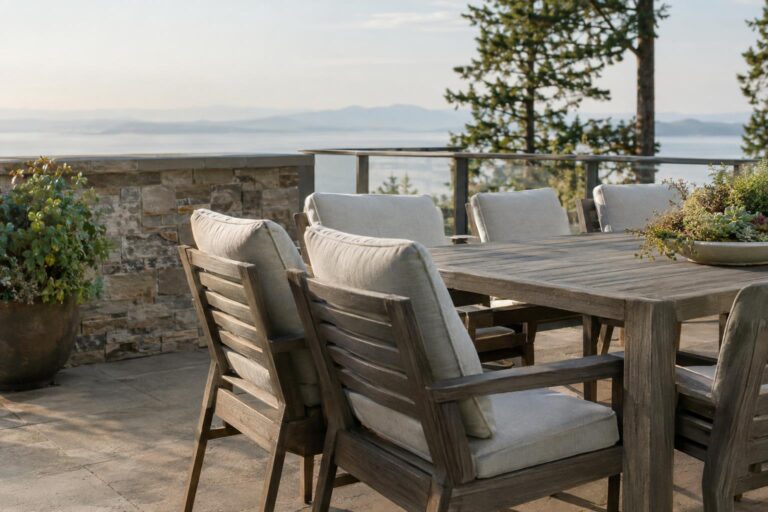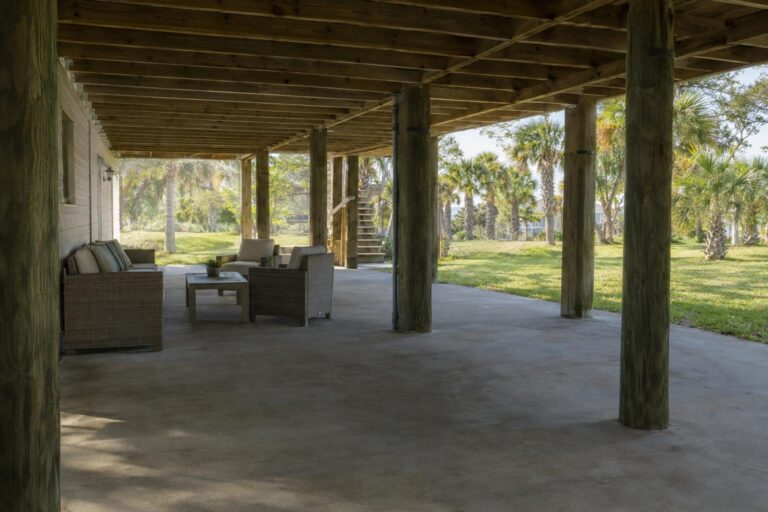

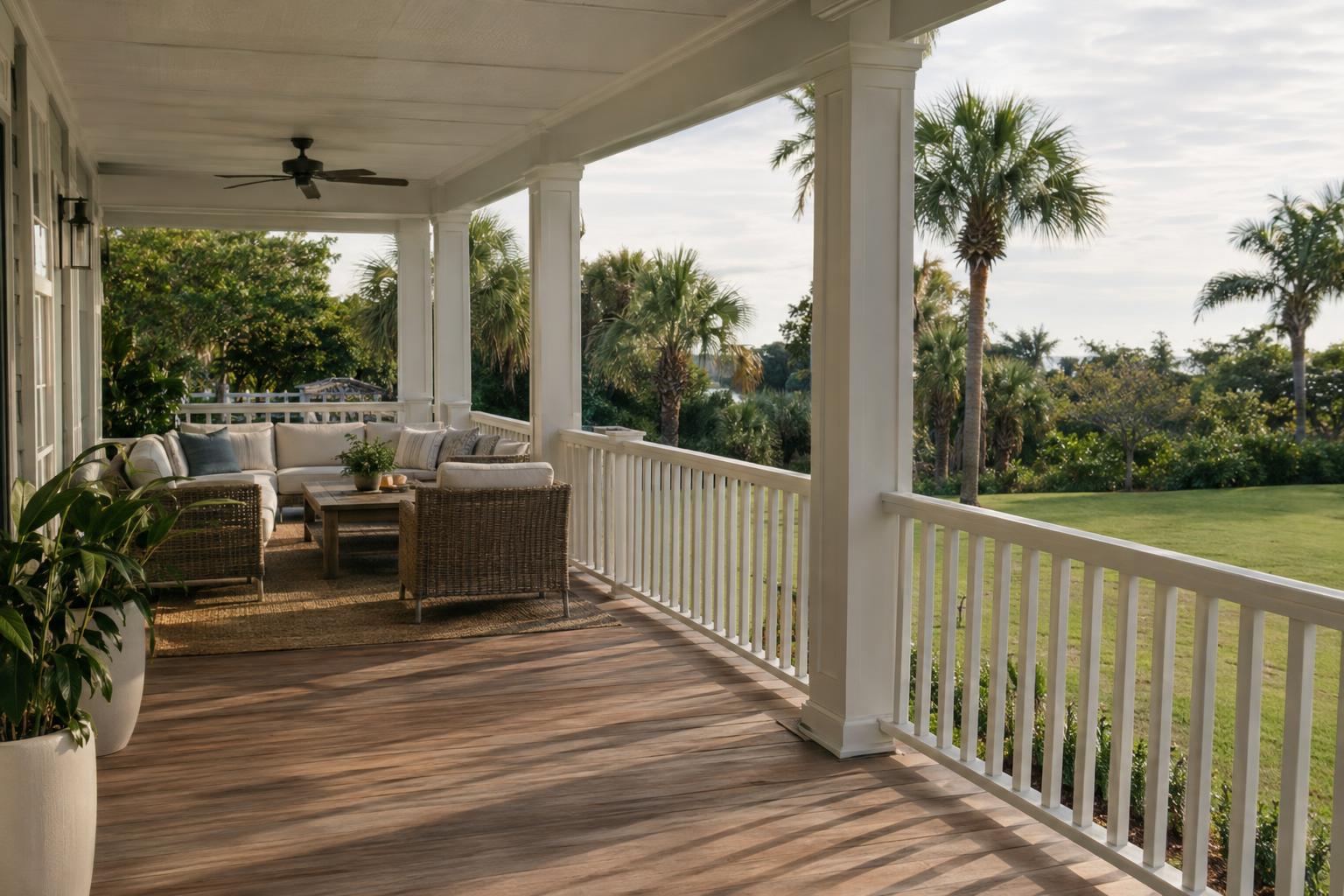
You step out onto a condo balcony, a raised porch or an upper deck, sit down in a lounge chair, and the view is suddenly a wall of railing. The decision is which kind of seat keeps the scenery in sight, and the answer depends as much on the railing as on the furniture. Choosing the seating height over a balcony railing is a matter of eye line: the higher you sit, the more you see, but the less relaxed and the more exposed the spot may feel. This is how to weigh it before you buy.
Start With the Railing You Have
Two balconies with the same footprint can behave completely differently, depending on what the railing is made of. Look at yours from a seated position before you think about furniture.
Solid and panel railings
A solid wall, a stucco parapet or a railing with closed panels sets a hard line at one height. Everything below that line is hidden from a seated person, so the seat you choose decides whether the view appears above the top or stays out of sight. These railings often give privacy, which some owners like and others find confining.
Picket, cable and glass railings
Pickets and cable let you see through the gaps, though the vertical lines can make a low view feel busy. Glass is the most open and can keep the view alive even from a low chair, although reflections or framing at the top edge may still land across your sight line. With these railings, a lower seat is often workable, so comfort can lead the decision.
A Simple Eye-Line Test
You do not need a measuring tape for a first read. Carry three seats outside: a kitchen chair, a dining chair and a counter stool, if you have access to one. Place each one a comfortable distance back from the railing, sit, and look straight ahead at where you most want to see.
What to notice
- Where the top of the railing lands on your eye line while you are seated.
- Whether the view you care about is a distant skyline, the water, a courtyard or the tree line.
- How the answer changes if you lean back or sit up straight.
- Whether the railing top is a flat cap that blocks light or a slim rail you can see past.
Snap a photo from each seated position. The three pictures usually make the choice obvious, and they help you compare options in a showroom. Remember that any measurement is only a planning aid, so confirm the real fit by sitting in the actual piece.
Before you decide, it helps to name which views are worth keeping. The University of Florida’s landscape design guide suggests looking at the surrounding views of a property and deciding which to open up and which to close off, a habit that works just as well for a balcony.
Lounge Seating: Comfort First, View Second
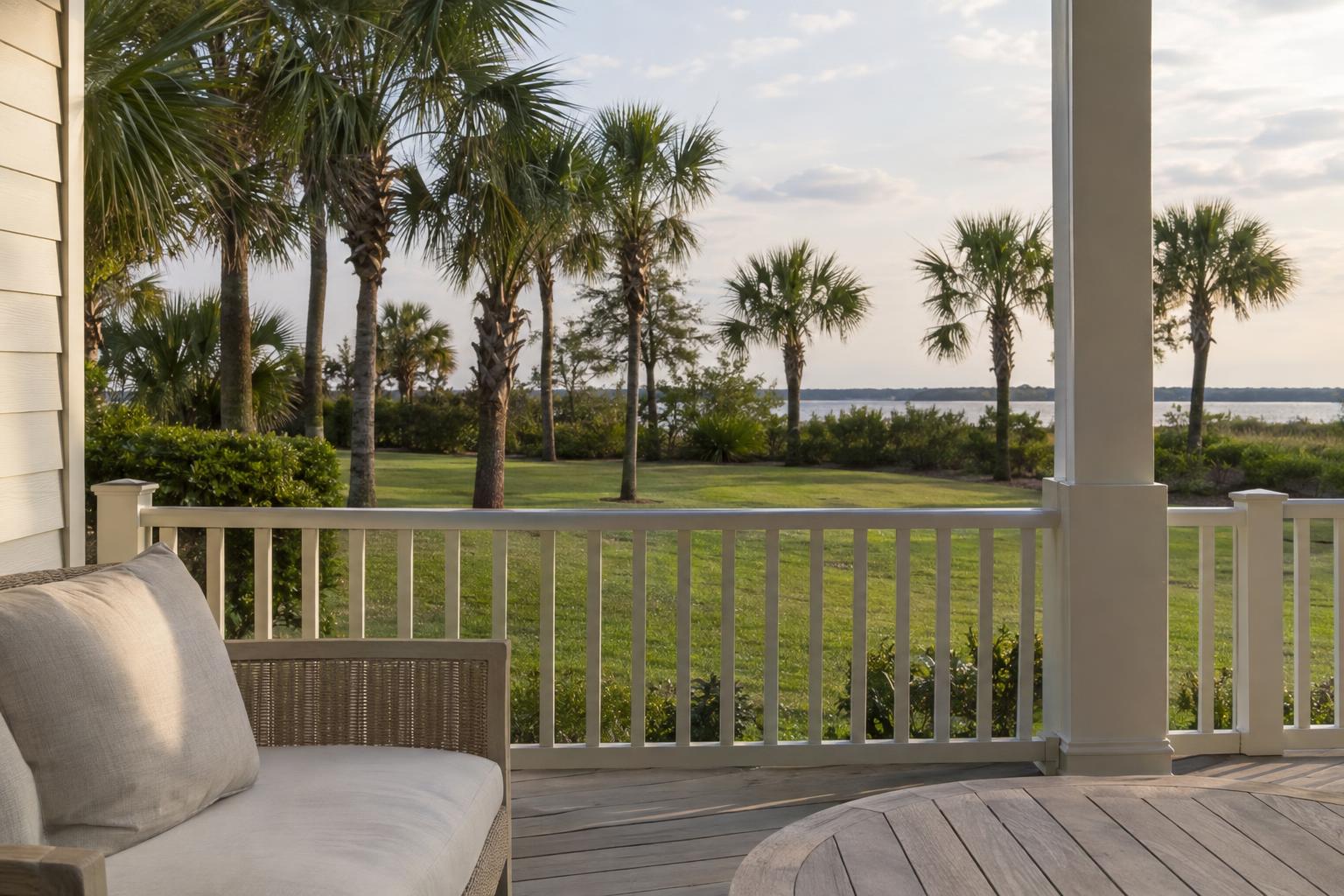
Lounge chairs and deep-seating pieces sit low and invite you to lean back. That is the draw. On a balcony with a solid railing, though, the same posture can put the railing directly in front of your eyes. If you spend most of your time reading or resting, this may not bother you at all, and the enclosed feeling can be pleasant.
When lounge height works
Lounge seating tends to suit see-through railings, such as glass or slim cable, or any balcony where the best view is above you, like sky and tree canopy. It also suits people who use the space mainly in the evening for quiet time rather than for watching what is happening below. Ask what lounge pieces are available to view so you can compare them against your railing photos.
When it may not
If the view you bought the home for sits behind a solid parapet, lounge height can leave you looking at a wall. In that case consider a taller seat, and check it with the three-seat eye-line test.
Dining Height
Dining chairs raise your eye line compared with a lounge chair, and they give you a table for meals or a laptop. On a balcony with a mid-height railing, dining height may clear the top while you sit upright and drop below it when you lean back. That is a real trade: good posture, good view, less recline.
If the table also needs to fit between a wall and the railing, our article on spacing a dining set between a table, wall and railing covers that side of the layout so you can plan sightlines and walking room together.
Counter and Bar Height
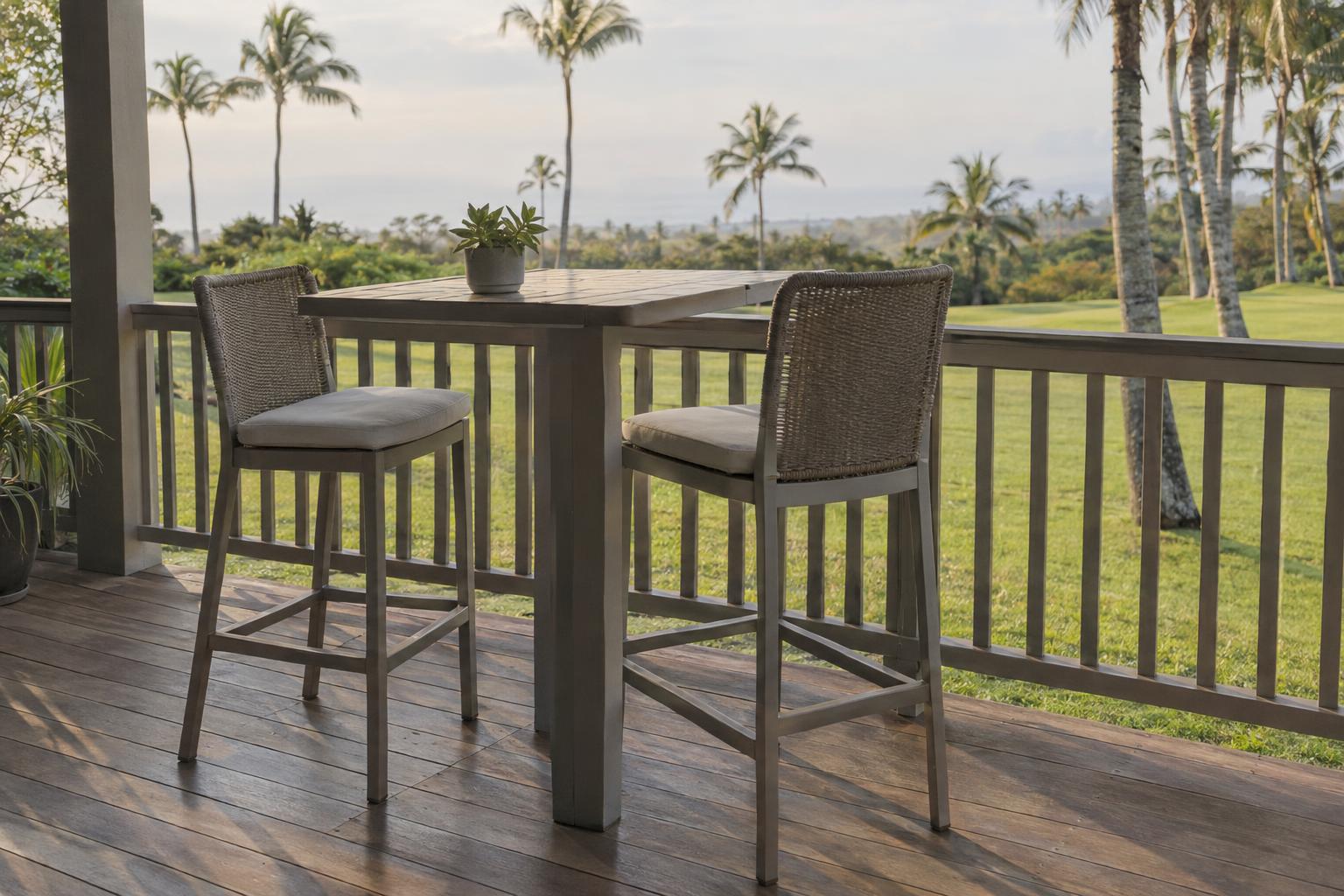
Counter and bar stools raise your eye line the most, which makes them the usual answer when a solid railing is the problem. The seat is higher, you look out instead of through, and the table at that height works well for drinks and conversation. The trade-offs are practical: your feet rest on a footrest instead of the floor, getting on and off a tall stool takes a moment, and the higher position can feel more exposed to the breeze.
Our comparison of bar height versus counter height patio sets explains the difference between them, so this is a good place to start if you are unsure which category to test.
A note on comfort
Sit on a tall stool for a few minutes before you commit. Look for a back or arms if you plan to stay a while, and make sure your feet land on a footrest in a natural position. Ask your Palm Casual showroom what taller seating is available to view so you can compare in person.
Placing Seats Back From the Railing
Where you put the seat matters nearly as much as how tall it is. Keep seating set back from the railing edge rather than pushed against it. Sitting farther back trades away some of the foreground view, so use the eye-line test to judge the spot.
Back versus beside
Placing a chair facing the railing gives the most direct view, while placing it beside the railing, angled out, lets you see along the building or down the street without your eye line meeting the top edge. On a narrow balcony the side position may be the only one that fits, so test it.
If space is tight, our article on small condo balcony patio furniture looks at what fits a compact floor plan before you start choosing heights.
Mix Heights for the Best of Both
You do not have to pick one height. Many balconies work well with a counter-height pair at the railing for views and company, with a lounge pair set behind for resting. The taller seats frame the view, and the lower ones give you somewhere to settle when the day is done. Keep a clear walking path between the two and keep every seat set back from the railing edge.
A simple layout idea
Put the taller seats at the end of the balcony with the best view, and keep the lounge seating near the door. That way the lower furniture does not block the sightline of the higher pair, and the whole space reads as two zones rather than one crowded corner.
Frequently Asked Questions
Will a lounge chair block my view on a balcony?
It can, particularly with a solid railing. A see-through railing makes it far less of an issue. Try sitting in a lower chair at your railing before you shop, and note where the top edge lands on your eye line.
Is counter height or bar height better for seeing over a railing?
Either lifts your eye line above dining height, and bar height lifts it further. The right seating height over a balcony railing also depends on comfort, since taller stools take more effort to get onto and rest your feet on a footrest. Sit-test both at a showroom before you choose.
Can I use more than one seat height on a small balcony?
Yes, if the floor plan allows it. A taller pair near the view and a lounge seat or two behind them is a common arrangement. Keep a clear path through the space and keep every seat back from the railing edge.
Does a glass railing change what height I need?
It often does. With glass you can see through the panel, so lower seats become viable and comfort can take priority. Reflections and the top rail may still cross your eye line, so test in person.
If you are weighing seat heights for a balcony or raised porch, visit a Palm Casual showroom or call (407) 299-9188. Our team has been helping Florida homeowners choose outdoor furniture since 1976, and you can sit in the options before deciding.
Explore Palm Casual
Factory-direct pricing with a risk-free 30-day trial. Visit a showroom or call (407) 299-9188.
Explore Our Buying Guides
Looking for expert advice? Read our Complete Guide to Patio Furniture in Florida for tips on materials, maintenance, and choosing the right set for your space.