


Good resin wicker patio set care is the difference between a set that still looks crisp after a decade and one that turns chalky and brittle in a few hot seasons. Florida is hard on outdoor furniture: a UV index that tops 10 from late spring through summer, humidity that lingers above 70%, and salt air drifting inland near the coast all work against any material left outside. The good news is that all-weather resin wicker is built for exactly this climate, and keeping it looking new takes only simple, consistent habits. This guide covers the cleaning, sun protection, and storage routines that keep a resin wicker set bright and supple through Florida’s toughest months.
What All-Weather Resin Wicker Is Made to Handle
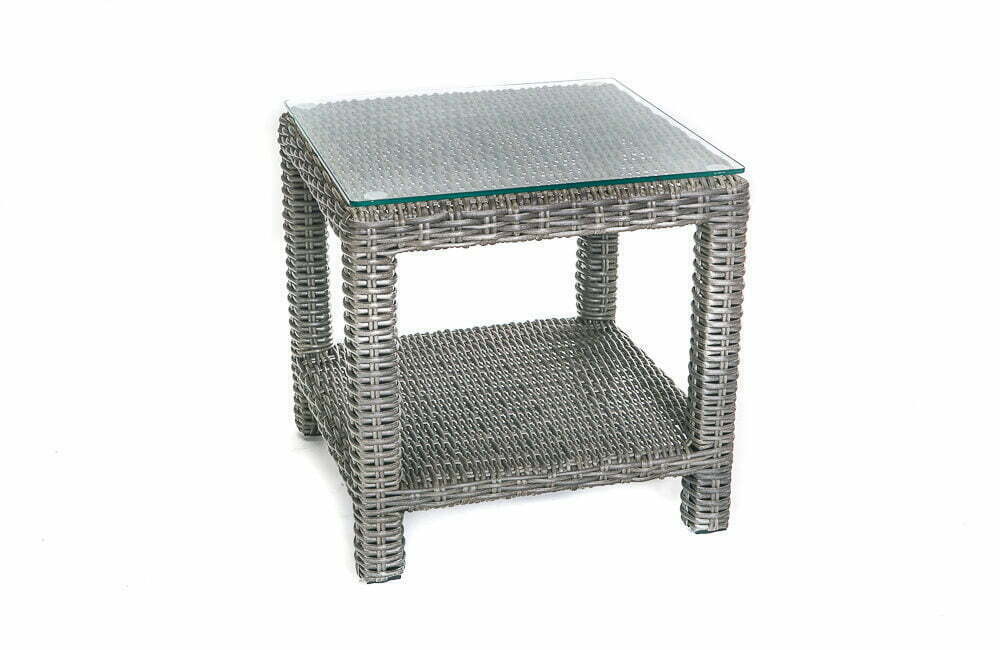
Before getting into resin wicker patio set care, it helps to know what you are caring for. All-weather resin wicker is woven from high-density polyethylene (HDPE) or similar synthetic strands over a powder-coated aluminum frame. Unlike the natural rattan it imitates, it will not absorb water, rot, or unravel when it gets wet, which is why it has become the default choice for covered lanais and pool decks across Florida.
The frame matters as much as the weave. A powder-coated aluminum frame underneath means the set will not rust even after years of daily summer rain, while the synthetic strands resist the mildew that would destroy natural fibers in a humid climate. Quality resin wicker is also UV-stabilized during manufacturing, with inhibitors mixed into the material so it resists the fading and cracking that raw plastic suffers under intense sun. A well-made set can hold its color and flexibility for 10 to 15 years in Florida with reasonable care.
That said, not all resin wicker is equal. Thin, hollow strands and uncoated frames are the bargain-bin version, and they are the ones that turn dull and crack within a season or two. Heavier woven strands over a fully powder-coated frame, like the sets we build Florida-built and sell factory-direct from our Orlando factory, give you the longevity that makes a care routine worth the effort. Homeowners who have lived with our sets for years often mention that durability in our customer reviews.

A Simple Cleaning Routine: The Heart of Resin Wicker Patio Set Care
The single most effective habit is a regular rinse. Florida air carries pollen in spring, dust year-round, and salt near the coast, and that film dulls the weave and gives mildew something to grab onto. Hose the set down every couple of weeks during the active season to keep the surface clean.
For a deeper clean, a soft brush and a bucket of mild soapy water do the job:
- Mix a few drops of mild dish soap into warm water; skip bleach and harsh solvents, which can dull the finish over time.
- Brush gently along the weave with a soft-bristle brush to lift grime out of the grooves where it hides.
- Pay attention to the underside and the spots where strands cross, since that is where dust and mildew settle first.
- Rinse thoroughly with a hose and let the set air-dry in the sun before replacing cushions.
If you spot early mildew, a solution of one part white vinegar to several parts water wipes it away without chemicals, and the Florida sun finishes the job by drying and naturally inhibiting regrowth. The goal is to never let buildup get ahead of you. A quick rinse on a schedule beats a stubborn deep-clean once the weave has gone gray. For sets within about five miles of the Gulf or Atlantic, rinse a little more often, because salt deposits accelerate wear on the frame hardware and dull the strands faster.
Protecting the Set From Florida’s Relentless UV
UV is the slow, invisible threat. Even UV-stabilized resin wicker fades faster when it bakes in direct, unshaded sun day after day, and Florida delivers more of that than almost anywhere. The most effective protection is simply position. A set under a screened lanai, a pergola, or a large umbrella ages dramatically slower than one in the open. The EPA’s UV Index guidance shows how routinely Florida hits the very-high and extreme range, and the same rays that demand sunscreen on your skin are working on your furniture.
Where shade is not an option, a breathable furniture cover during the hottest stretch of the day, or when the set is not in use for weeks, slows fading and keeps surface temperatures down. Choose a cover that vents, since a sealed cover in Florida humidity can trap moisture and breed mildew, swapping one problem for another. Light-colored weaves also show fading less than very dark ones, a worthwhile consideration if your set lives in full sun.

Cushions deserve their own UV strategy. Sunbrella performance fabric is solution-dyed, so its color resists fading far better than printed fabrics, but even Sunbrella lasts longer when cushions are brought in or stored during long absences. Fluff and rotate cushions occasionally so one side does not fade ahead of the other, and let them dry fully after rain before stacking.
Storage and Storm-Season Habits
Resin wicker is light, which makes it easy to manage but also easy to move in high wind. During hurricane season, June 1 through November 30, that lightness is a double-edged sword. When a storm threatens, bring chairs and tables inside a garage or lanai, or at minimum cluster and secure them so they cannot tumble across the yard or pool.
For routine off-season or extended-absence storage, a few habits keep the set fresh:
- Clean and fully dry the set before storing, so you are not locking in moisture.
- Store cushions indoors in a breathable container, never sealed against humidity.
- If the frames stay outside, cover them with a vented cover and elevate slightly off a wet slab if you can.
- Avoid stacking heavy objects on the weave, which can crush or distort the strands over time.
Snowbirds and seasonal residents should treat a vacant summer the same way: cushions inside, frames rinsed and covered or stored. Resin wicker handles being left out far better than wood, but cushions left damp for months are where trouble starts. With these habits, even a set that lives through a full Florida summer alone comes back ready to use.
One more storage note worth keeping in mind: heat itself is part of resin wicker patio set care during the off-season. A closed garage in a Florida July can reach well over 100 degrees, and storing the weave under heavy boxes in that heat can soften and distort the strands over time. Keep stored pieces loosely arranged and out from under weight, and they will hold their shape for years. If you cover frames outdoors, lift the cover occasionally on a dry day to let trapped humidity escape, since a cover that stays sealed in 70%-plus air can do more harm than good.
When Resin Wicker Is the Right Choice for Your Florida Home
Resin wicker fits some Florida settings better than others, and matching the material to the spot keeps care simple. Covered lanais and screened pool enclosures are ideal, since the partial shade extends the life of both the weave and the cushions while still giving you that relaxed, woven look. Poolside conversation areas are another natural fit, because the synthetic strands shrug off splashes and pool chemicals far better than natural fiber.
Fully open, unshaded decks are the toughest assignment. Resin wicker will still hold up there, but it asks for more diligence, more frequent rinses, a cover during peak sun, and a willingness to bring cushions in. If your space is wide open with no shade, you might pair resin wicker seating with a generous umbrella, or weigh an aluminum or HDPE set that takes harsh sun even more readily. Our Jacksonville showroom team can help you match the material to your exact patio.
Because we build factory-direct, you can choose a heavier-grade resin wicker with a fully powder-coated frame at a price that often beats thinner big-box imports, and the better the build, the less work the care routine becomes. Every set comes with our 30-day trial period, so you can invest in a quality weave with confidence.
Frequently Asked Questions
How often should I clean resin wicker patio furniture in Florida?
Rinse it with a hose every couple of weeks during the active season to clear pollen, dust, and salt, and do a deeper soft-brush cleaning with mild soapy water every month or two. Sets within about five miles of the coast benefit from more frequent rinses because salt deposits dull the strands and wear frame hardware faster. Consistent light cleaning beats an occasional heavy scrub.
Does resin wicker fade in the Florida sun?
Quality resin wicker is UV-stabilized to resist fading, but Florida’s intense, prolonged sun will still dull any material left fully exposed for years. Keeping the set under a lanai, pergola, or umbrella slows fading dramatically, and a breathable cover helps during peak sun. Lighter weaves show fading less than dark ones, which is worth considering if the set lives in full, unshaded sun.
Can I leave resin wicker furniture outside year-round in Florida?
Yes. All-weather resin wicker over a powder-coated aluminum frame will not rot, rust, or unravel in the rain and humidity, so the frames can stay out year-round. The cushions are the exception: store them indoors or in a breathable container during long absences and the wettest summer stretch to prevent mildew, since damp cushions left for weeks are where most problems start.
What should I use to clean resin wicker without damaging it?
Mild dish soap in warm water with a soft-bristle brush is all you need for routine cleaning. For early mildew, a white-vinegar-and-water solution wipes it away naturally. Avoid bleach, harsh solvents, and stiff brushes, which can dull the finish or fray the strands over time. Always rinse thoroughly and let the set air-dry in the sun before replacing the cushions.
If your resin wicker set has started to look tired, or you are shopping for one built to take Florida sun from the start, Palm Casual can help. Visit a showroom to feel the difference between thin imports and a heavier factory-direct weave, and ask our team for care tips tailored to your patio. Call (407) 299-9188 or stop by the Jacksonville showroom to find a resin wicker set made to stay looking new.
Explore Palm Casual
Factory-direct pricing on premium outdoor furniture. Visit a showroom or call (407) 299-9188.
Explore Our Buying Guides
Looking for expert advice? Read our Complete Guide to Patio Furniture in Florida or Ultimate Guide to Outdoor Furniture in Florida for tips on materials, maintenance, and choosing the right set for your space.
