
Preparing patio furniture for Florida hurricane season does not mean moving every single piece indoors. Some furniture genuinely needs to come inside, some just needs to be secured in place, and some heavier pieces can often be left where they are. Knowing which is which saves time and effort when a storm is approaching.
What to Move Indoors First
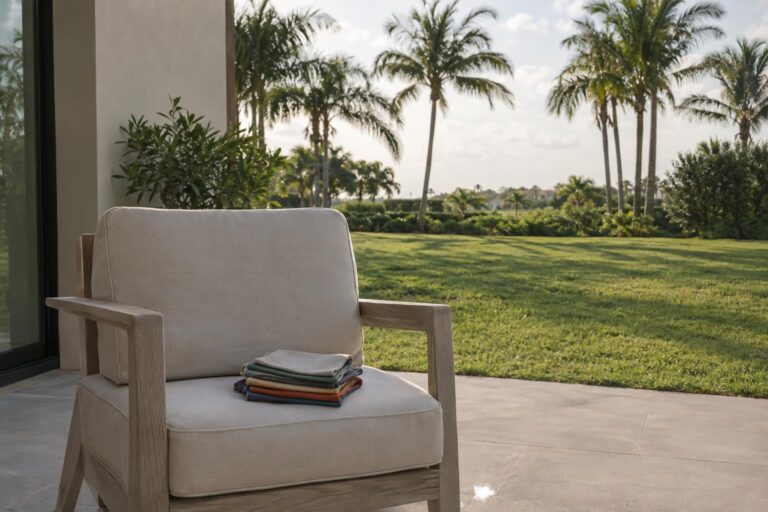
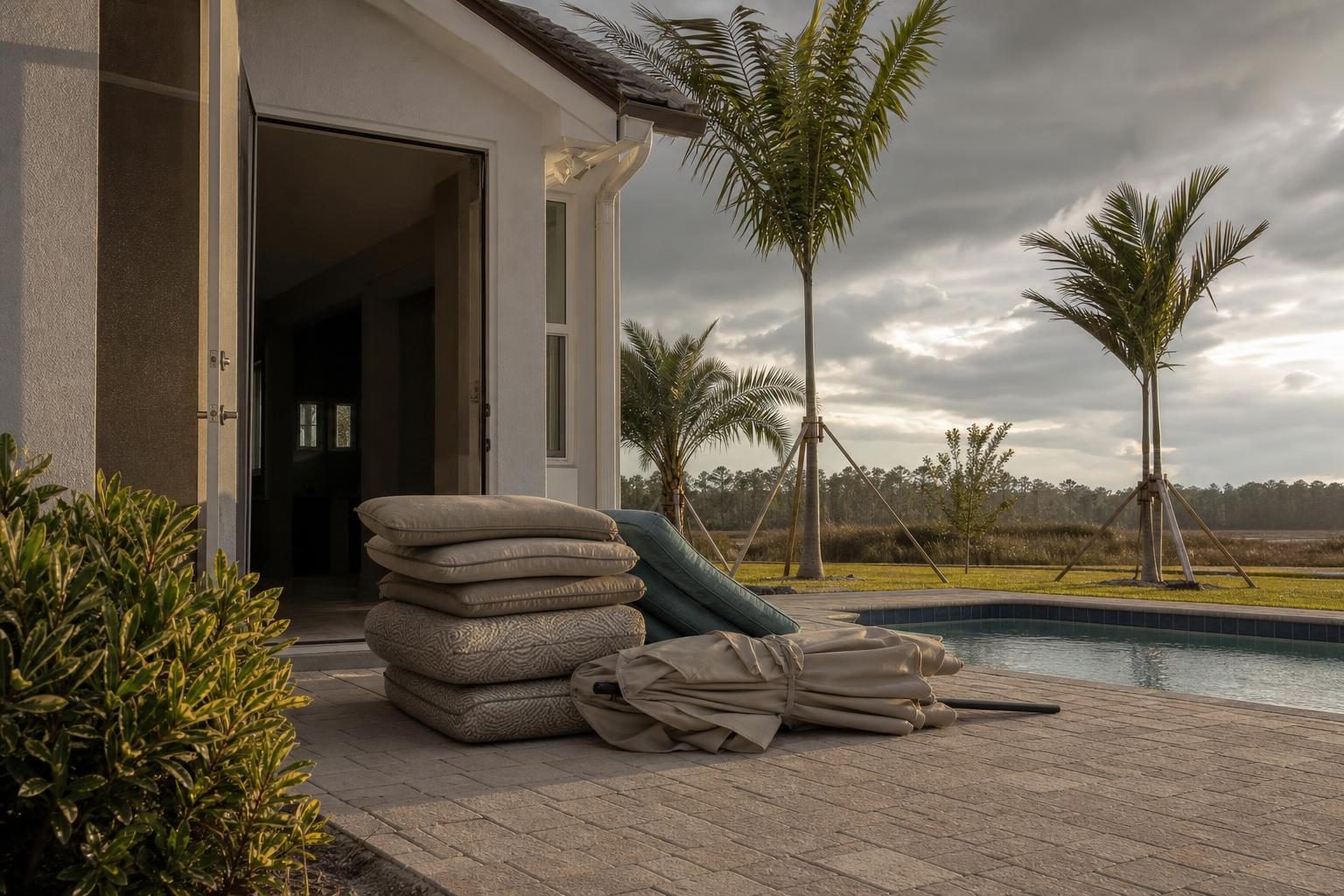
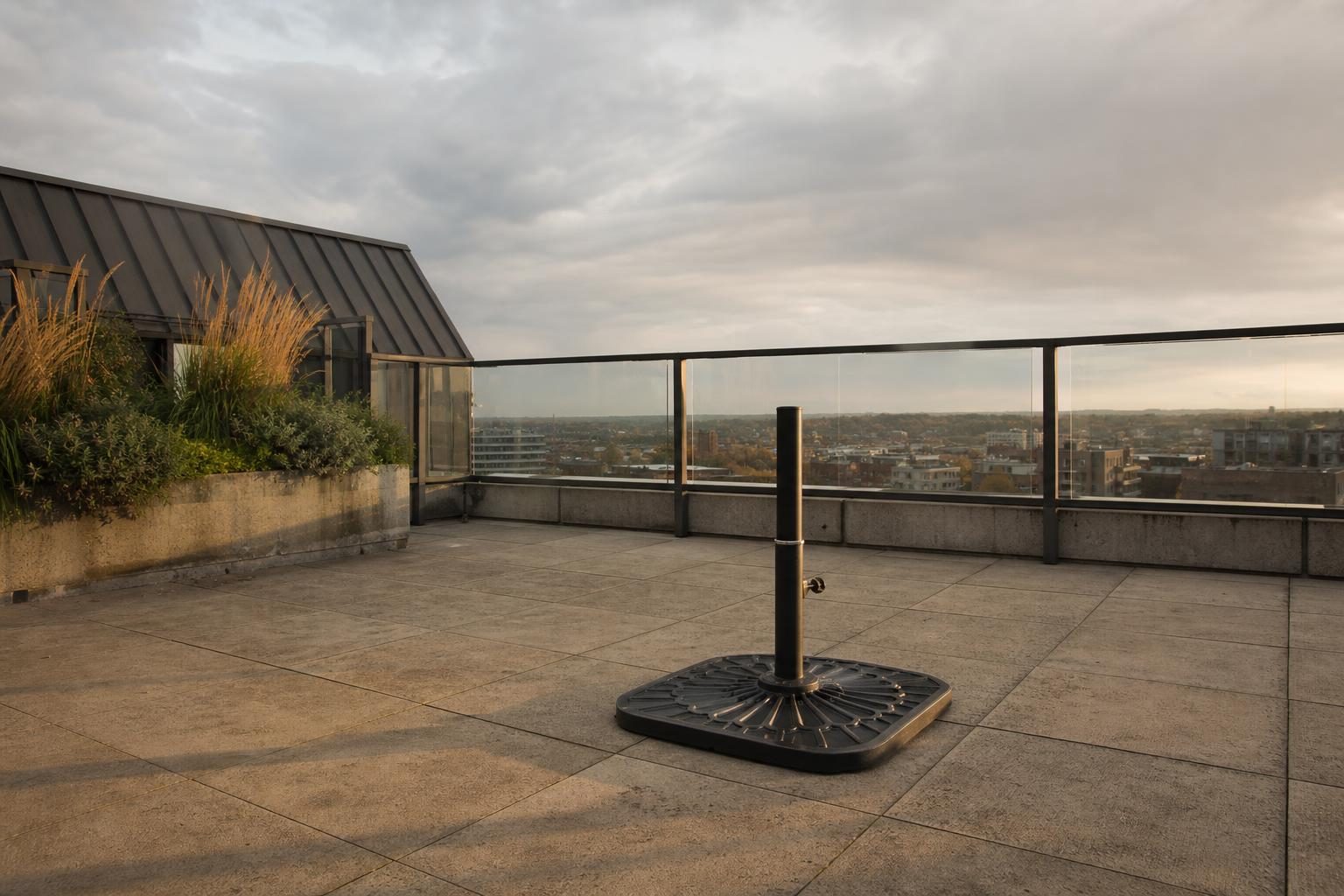
Lightweight items are the first priority, because they are the ones most likely to become airborne in high winds. That includes cushions, umbrellas and their bases if the canopy is not fully removable, small side tables, decorative accessories, and anything made of lightweight resin wicker or thin-gauge material. If you have storage space, bring these inside or into a garage well before a storm arrives, not the night before.
What to Secure in Place Rather Than Move
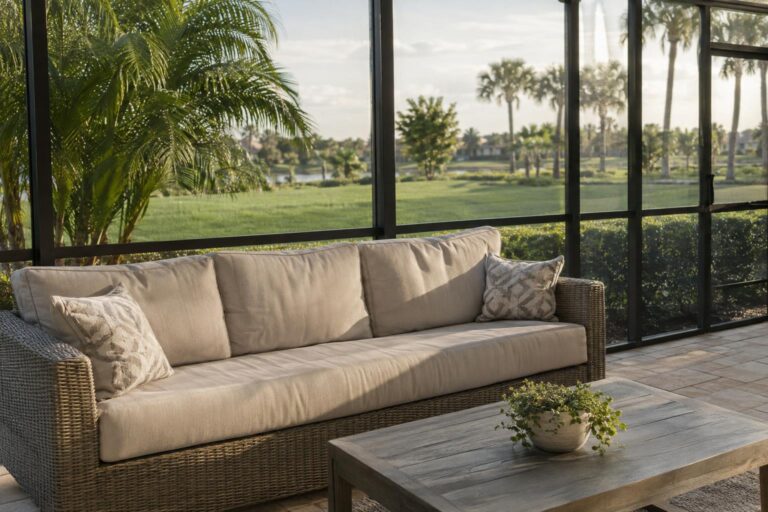
Larger cushioned pieces that are too bulky to move easily, like sectional sections, can sometimes be secured rather than relocated, depending on your storage space and the size of the piece. If a piece cannot be moved indoors, remove any loose cushions separately even if the frame itself stays outside, since cushions are the lighter, more wind-prone part of most patio furniture.
What Can Often Be Left in Place
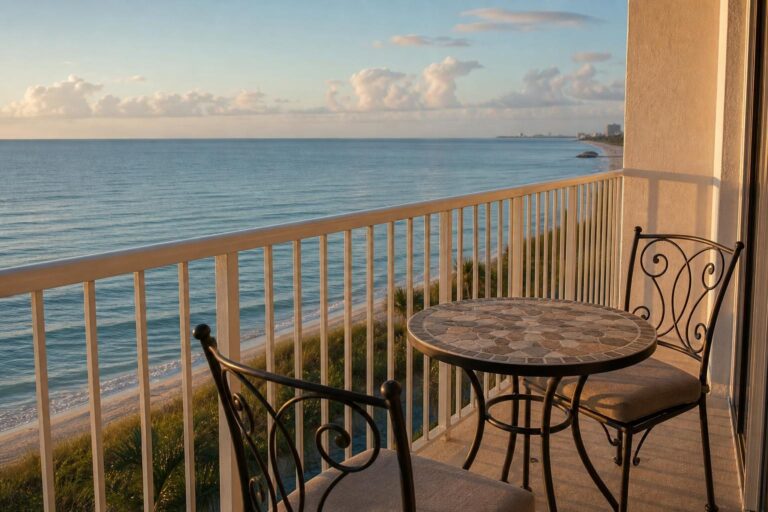
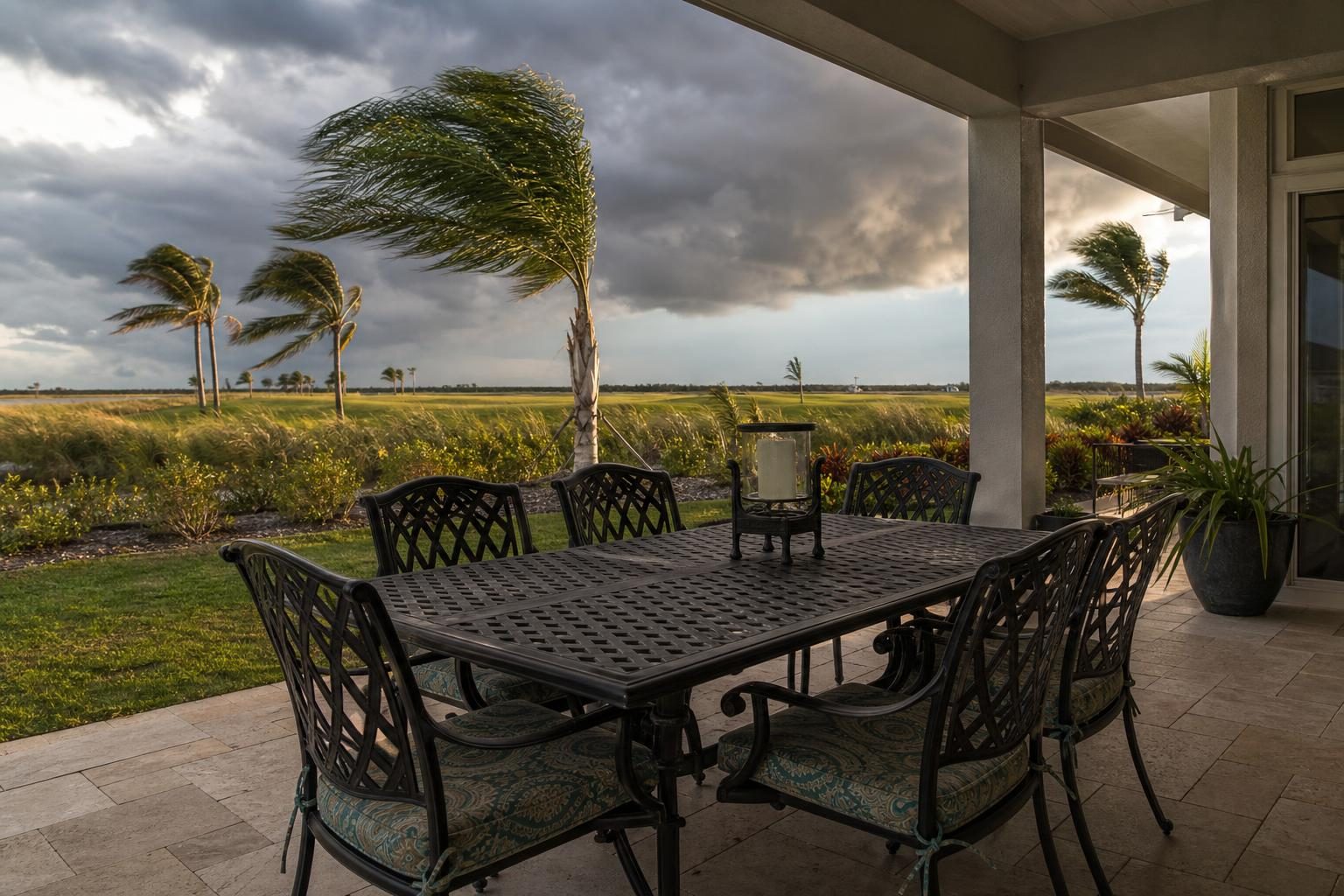
Heavy cast aluminum dining sets and other substantial frame furniture are generally more storm-resistant simply due to their weight, and many Florida homeowners leave these in place under a covered lanai during lesser storms. For any storm, always follow the official evacuation and storm-prep guidance issued for your specific location, since local officials weigh factors about a property and a storm’s path that general furniture advice cannot account for.
A Simple Pre-Storm Checklist
Work through your patio in order of weight, lightest first: cushions and umbrellas, then small tables and accessories, then anything on wheels that could roll, and finally assess your heaviest pieces last, since those are the ones most likely to be able to stay in place if a covered area is available.
For more on choosing furniture materials suited to Florida’s climate year-round, see our patio furniture guide. For official storm preparation guidance, see the Ready.gov hurricane preparedness resources.
Palm Casual has been serving Florida homeowners for more than 40 years, through plenty of hurricane seasons, and our showroom teams are always glad to talk through which pieces in a specific lineup tend to hold up best in place versus which ones are worth moving.
Materials That Tend to Hold Up Better in Storm Conditions
Frame material affects how much thought a piece needs before a storm. Cast aluminum, being both heavy and corrosion-resistant, is among the more forgiving materials to leave in a covered area, since it is less likely to be lifted by wind and does not absorb moisture the way some other materials can. Resin wicker frames are generally lighter and more likely to need securing or moving, particularly larger sectional pieces with a lot of surface area for wind to catch. Sling and mesh fabric furniture sits in between, since the open weave lets some wind pass through rather than catching it fully like a solid cushion would, but the lightweight frames still typically need attention before a significant storm.
After the Storm: What to Check Before Bringing Furniture Back Out
Once a storm has passed, inspect furniture before returning it to its normal spot rather than assuming everything is fine. Check cushions and covers for trapped moisture that could lead to mildew if put back into use too quickly, and inspect frames for any new movement, looseness, or debris damage that was not there before the storm. Furniture left outside through wind-driven rain sometimes needs a more thorough cleaning than a normal seasonal wipe-down, particularly if it was exposed to salt spray or storm debris.
Building a Simple Storm-Prep Routine Each Season
Rather than relearning the process every time a storm watch is issued, it helps to keep a short written checklist specific to your own patio, noting which pieces you move, which you secure, and where the cushions and umbrella canopies get stored. Florida’s hurricane season runs for several months each year, and having the routine written down once means less scrambling and fewer forgotten items the next time a storm approaches, especially if different family members are the ones handling prep on a given day.
Furniture Purchases That Simplify Future Storm Prep
If you are furnishing a patio from scratch or replacing pieces, it is worth factoring storm season into the decision even if it is not the primary reason for the purchase. Furniture that is easy for one person to lift, cushions with covers that are simple to remove and store, and umbrellas with a canopy that detaches cleanly from the pole all make future storm prep faster with no real downside the rest of the year. None of this requires buying specialty “storm-rated” furniture; it mostly comes down to choosing pieces that are already easy to handle day to day.
Storing Cushions and Fabric Pieces Correctly
When storage space is limited, cushions and umbrella canopies take priority over larger frames, since they are the most weather-vulnerable and the most likely to be damaged by wind-driven debris. A dry garage, closet, or storage bin works better than leaving cushions stacked and exposed under a covered lanai, since covered areas can still experience blown-in rain during a significant storm. If cushions must stay outside, stacking them against an interior wall and covering the stack with a tarp secured on all sides offers more protection than leaving them loose in the open.
Talking Through the Plan With Everyone at Home
Storm prep goes faster when more than one person in the household knows the plan, rather than one person trying to remember every step alone while also handling everything else a storm requires. Walk through the checklist together once at the start of hurricane season, point out where cushions and umbrella parts get stored, and agree on who handles which pieces if a storm approaches on short notice. A five-minute conversation in June can save a rushed, disorganized scramble in September when a watch is issued with only a day or two of lead time.
Frequently Asked Questions
Should I move heavy cast aluminum furniture indoors before a hurricane?
Many homeowners leave heavy cast aluminum pieces in place under covered areas, but always follow official evacuation and storm guidance for your specific storm, since conditions vary.
What is the single most important thing to move first?
Cushions and umbrellas, since they are the lightest, most wind-prone items and the easiest to store quickly.
Can I leave furniture on an uncovered patio during a hurricane?
Uncovered furniture is more exposed to direct wind and rain, so moving or securing pieces is more important there than under a covered lanai.
How far in advance should I start hurricane prep for outdoor furniture?
As soon as a storm watch is issued for your area, rather than waiting until the last day, gives you time to move items without rushing.
Get Started at a Palm Casual Showroom
Ask our team which materials in our lineup tend to be easiest to manage ahead of storm season. Call (407) 299-9188 or learn more about how we build and sell factory-direct on our factory page.
Explore Palm Casual
Factory-direct pricing with a risk-free 30-day trial. Visit a showroom or call (407) 299-9188.
Explore Our Buying Guides
Looking for expert advice? Read our Complete Guide to Patio Furniture in Florida or Ultimate Guide to Outdoor Furniture in Florida for tips on materials, maintenance, and choosing the right set for your space.