


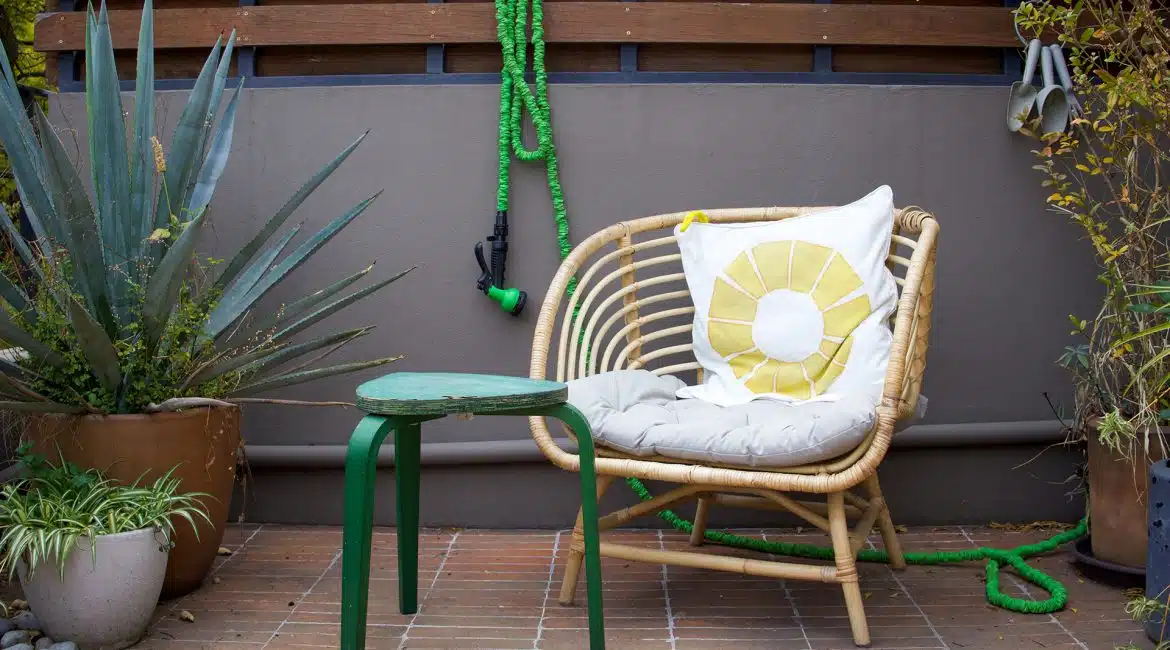
Finding smart small patio layout ideas for Florida condos starts with accepting that square footage is limited but potential is not. Whether you have a 50-square-foot balcony overlooking a canal or an 80-square-foot screened lanai in a high-rise, the right furniture selection and arrangement strategy can transform a cramped outdoor area into a functional extension of your living space. Florida condo owners face unique constraints — HOA rules, storm prep requirements, intense sun exposure, and humidity — that make thoughtful planning even more important than it is for homeowners with larger yards.
Measure First: Know Your Actual Usable Space

Before you browse a single furniture catalog or website, get the exact measurements of your patio or balcony. This step sounds obvious, but most people skip it and end up with furniture that either overwhelms the space or leaves awkward gaps that waste valuable square footage.
Start by measuring the full length and width of your outdoor area. Then subtract 18 inches on each side that you plan to use as a walkway. This clearance is the minimum needed to move around furniture comfortably without bumping into walls or railings. On a 6-by-10-foot balcony, that walkway buffer alone reduces your usable furniture footprint to roughly 3 by 7 feet.
Account for your sliding glass door swing radius. Many Florida condo patios lose two to three feet of usable depth to the door track and the clearance needed to open the door fully. If your sliding door opens onto the patio, that arc is dead space where furniture cannot sit.
Check your condo association rules before purchasing anything. Many Florida HOAs restrict furniture height (nothing above the railing line), prohibit permanent fixtures or railing attachments, and may require that all items be removable for hurricane preparation. Getting these details upfront saves you from buying pieces you cannot actually use.
Finally, map out shade patterns throughout the day. A west-facing condo balcony in Florida gets brutal afternoon sun from about 2 PM until sunset, which limits where you can comfortably sit without an umbrella or shade sail. Understanding your shade profile helps you position seating in the most usable spots.
Space-Saving Furniture That Works in Small Footprints
The furniture itself makes or breaks a small patio setup. Standard-sized outdoor dining sets designed for suburban backyards simply do not fit in condo-scale spaces. Look for pieces specifically designed for compact areas.
Bistro sets are the gold standard for small patios. A 30-inch round table paired with two lightweight chairs fits comfortably on a patio as small as 4 by 6 feet while still providing a functional spot for morning coffee or a casual dinner. Choose a set with a folding mechanism if your space drops below 40 square feet.
Stackable or folding chairs are essential for balconies under 60 square feet. When the patio is not in use, stack the chairs against the wall or fold them flat to reclaim the floor space. This flexibility matters most during storm season when you need to clear the patio quickly and store everything inside your unit.
Corner sectionals with built-in storage underneath serve double duty — comfortable seating for entertaining plus a weatherproof compartment to stash cushions, throw blankets, or cleaning supplies. These L-shaped pieces tuck into corners and leave the rest of the patio open for movement.
Wall-mounted drop-leaf tables are an underused solution for narrow balconies. These tables mount to the railing wall, fold flat when not in use, and swing up to a full dining or drink surface when you need it. They add zero floor footprint when folded, which is the closest you can get to furniture that disappears.
Layout Strategies: Arranging Furniture in Tight Spaces
How you arrange furniture matters as much as what you buy. A well-planned layout can make a 60-square-foot patio feel spacious, while a poor arrangement makes the same space feel cramped and unusable.
L-shaped arrangements are the most effective layout for rectangular patios and balconies. Push your seating into one corner to anchor the space, and leave the opposite corner and center open. This asymmetry tricks the eye into perceiving more room than exists. Pair a corner loveseat with a small side table in the L position, and the remaining open floor area becomes your visual breathing room.
For patios wide enough to accommodate facing seating, anchor one side with a compact loveseat or two-seater sofa and place a single accent chair opposite. This creates a conversation area without crowding the walkway between them. Keep at least 24 inches between facing seats for comfortable leg room and passage.
Use vertical space aggressively. Hanging planters, wall-mounted shelves, and railing-clipped herb gardens add greenery and visual interest without consuming any floor area. A vertical garden wall on the back surface of your patio can transform a blank concrete wall into a living feature that makes the entire space feel more inviting.
Position your longest piece of furniture parallel to the longest wall. Placing a sofa or bench perpendicular to the long axis cuts the space in half visually and makes movement around the patio feel like navigating an obstacle course.
Multi-Use Pieces for Florida Outdoor Living

On a small patio, every piece of furniture should serve at least two purposes. Single-function items are a luxury that compact spaces cannot afford.
Ottoman-style storage cubes are one of the most versatile small-patio pieces available. Use them as extra seating when guests visit, a footrest when you are lounging alone, or flip a tray on top and they become a side table for drinks and snacks. Many models open up to reveal storage inside for cushions, candles, or outdoor games.
Bar-height tables with two stools take up significantly less floor space than standard dining sets. The taller profile also works well along railing walls because it brings your sightline above the railing, improving the view from a seated position. For high-rise condo balconies, this layout turns an ordinary balcony into a perch with a view.
Daybeds or chaise lounges with removable backrests offer flexibility between lounging mode and upright seating mode. When you want to read or nap, lay it flat. When entertaining, add the backrest cushions to create a proper seating area. Choose one sized for your space — a 60-inch daybed fits most standard condo balconies.
Nesting tables in sets of two or three are perfect for small patios. Stack them together when it is just you, and spread them out as individual side tables when you have company. They store in a footprint no larger than the biggest table in the set.
Seasonal Care and Cushion Storage for Compact Patios
Maintaining outdoor furniture on a small condo patio requires a system, especially during Florida storm season when everything on the balcony needs to come inside on short notice.
Florida storm season runs from June through November, and tropical weather can develop quickly. Choose lightweight cushions that you can carry inside in a single trip. If your condo unit has limited indoor storage, vacuum-seal bags compress standard patio cushions to roughly half their size, making them easier to stash in a closet during extended rainy stretches or hurricane prep.
For condo owners who winter in Florida but maintain a home elsewhere, seasonal cushion storage becomes a real consideration. For Carolinas homeowners dealing with cooler winters, Carolina Patio Furniture has a great guide on storing cushions seasonally that covers best practices for protecting fabrics during months of non-use.
Rinse aluminum and resin wicker frames with fresh water at least monthly to prevent pollen and mildew buildup. Florida’s humid air promotes mildew growth on any surface that stays damp, and the tight confines of a small patio mean furniture sits closer to walls and railings where air circulation is limited. A quick hose-down or bucket rinse takes five minutes and prevents the kind of staining and odor that develops when organic buildup is left unchecked.
Frequently Asked Questions
What size patio furniture fits a Florida condo balcony?
Most Florida condo balconies range from 40 to 80 square feet. A bistro set with a 30-inch table and two chairs fits balconies as small as 24 square feet of usable space. For larger lanais up to 80 square feet, a compact corner sectional or a small loveseat with a side table works well while keeping walkways clear.
Do I need to remove patio furniture during a hurricane in Florida?
Yes. Most Florida condo associations require all balcony furniture and loose items to be brought inside when a hurricane watch or warning is issued. Even without an HOA rule, any object on an exposed balcony becomes a projectile in high winds. Choose furniture that folds, stacks, or disassembles quickly so you can clear the space in minutes.
What patio furniture material is best for humid Florida condos?
Powder-coated aluminum and HDPE synthetic resin wicker are the best materials for humid Florida condo patios. Both resist moisture, mold, rust, and UV damage without requiring regular sealing or painting. Avoid natural wicker, untreated wood, and standard steel, which all deteriorate quickly in Florida humidity.
A compact patio does not have to feel cramped. With the right small patio layout ideas for Florida condos, you can create an outdoor space that works for daily relaxation and entertaining alike. Browse our full lineup of space-saving outdoor furniture at Palm Casual, or call (407) 299-9188 to talk through layout options with our team.
Explore Palm Casual
Factory-direct pricing with a risk-free 30-day trial. Visit a showroom or call (407) 299-9188.
Explore Our Buying Guides
Looking for expert advice? Read our Complete Guide to Patio Furniture in Florida or Ultimate Guide to Outdoor Furniture in Florida for tips on materials, maintenance, and choosing the right set for your space.