

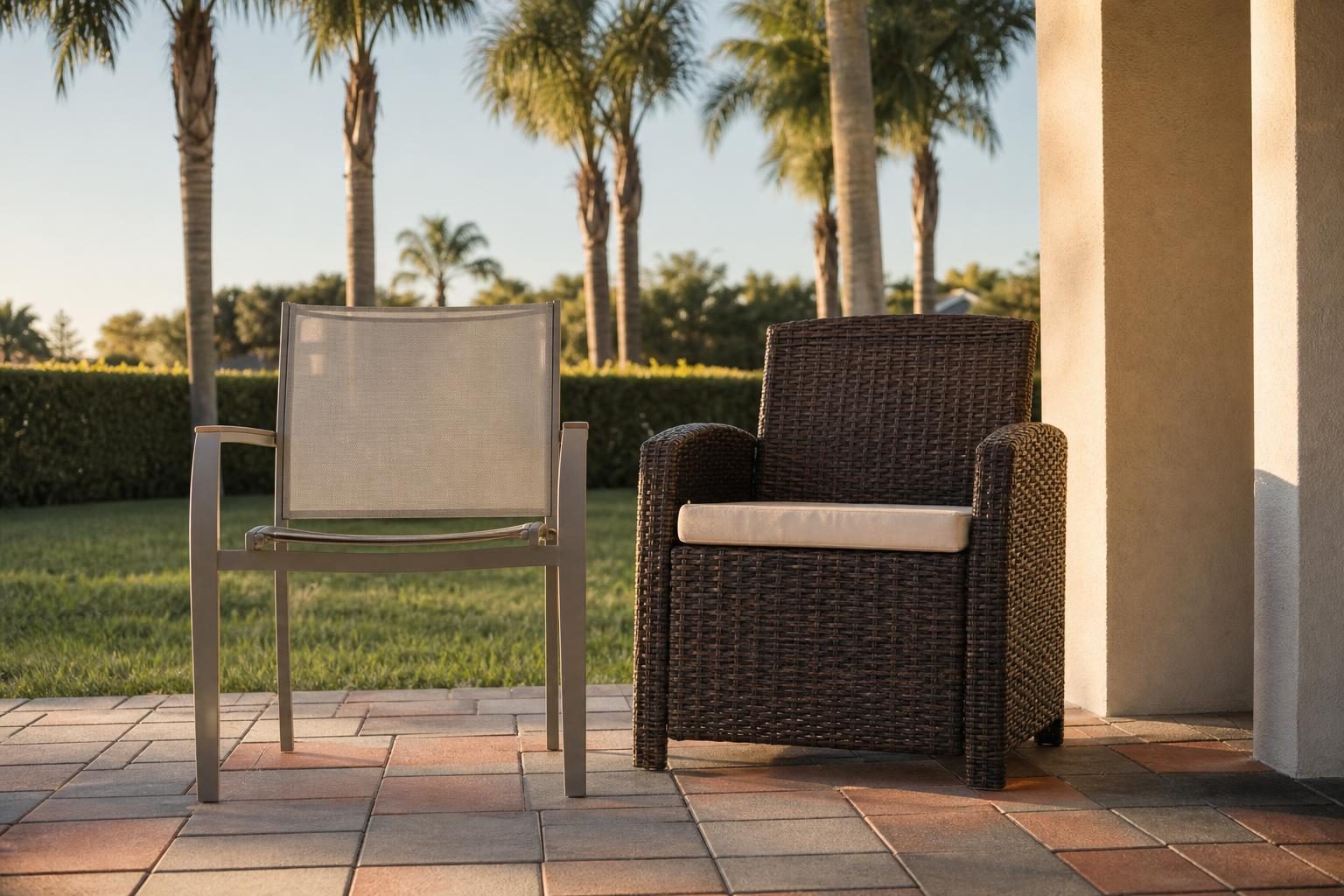
If you are the kind of homeowner who likes to rearrange a patio for a party, chase shade across the afternoon, or simply refresh a layout every season, frame weight is worth thinking about before you buy. Style and material durability get most of the attention in furniture shopping, but everyday weight is what determines how often a piece actually gets moved once it is home.
How Aluminum Furniture Feels to Move
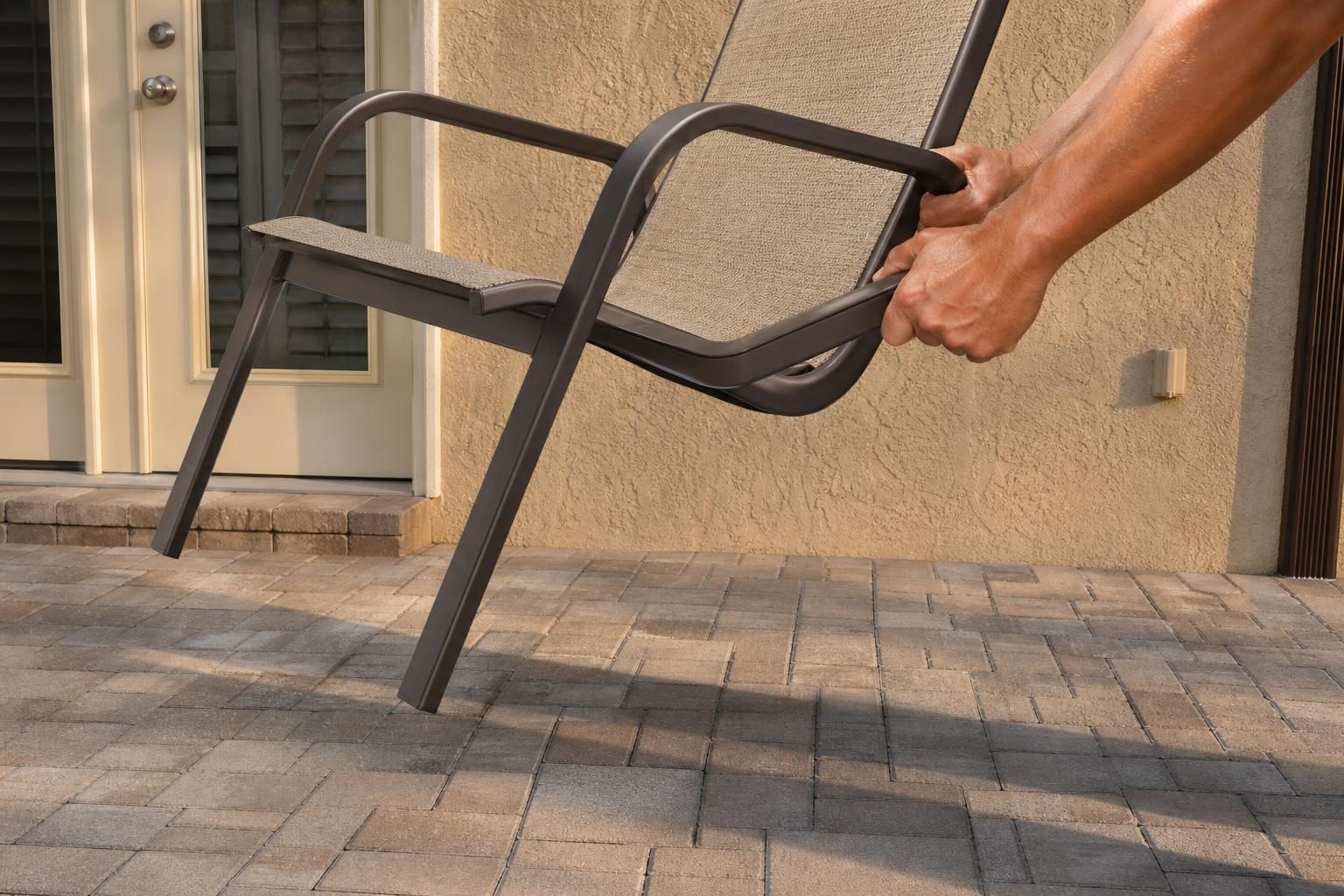
Aluminum is one of the lightest common frame materials used in outdoor furniture, which is part of why it is so widely used. A single aluminum chair can typically be lifted and repositioned with one hand, and even larger aluminum pieces like dining chairs or accent tables are manageable for most people to shift without help. That makes aluminum a strong choice if you expect to rearrange seating regularly, whether for entertaining, cleaning underneath, or simply following the sun and shade through the day.
How Resin Wicker Furniture Feels to Move
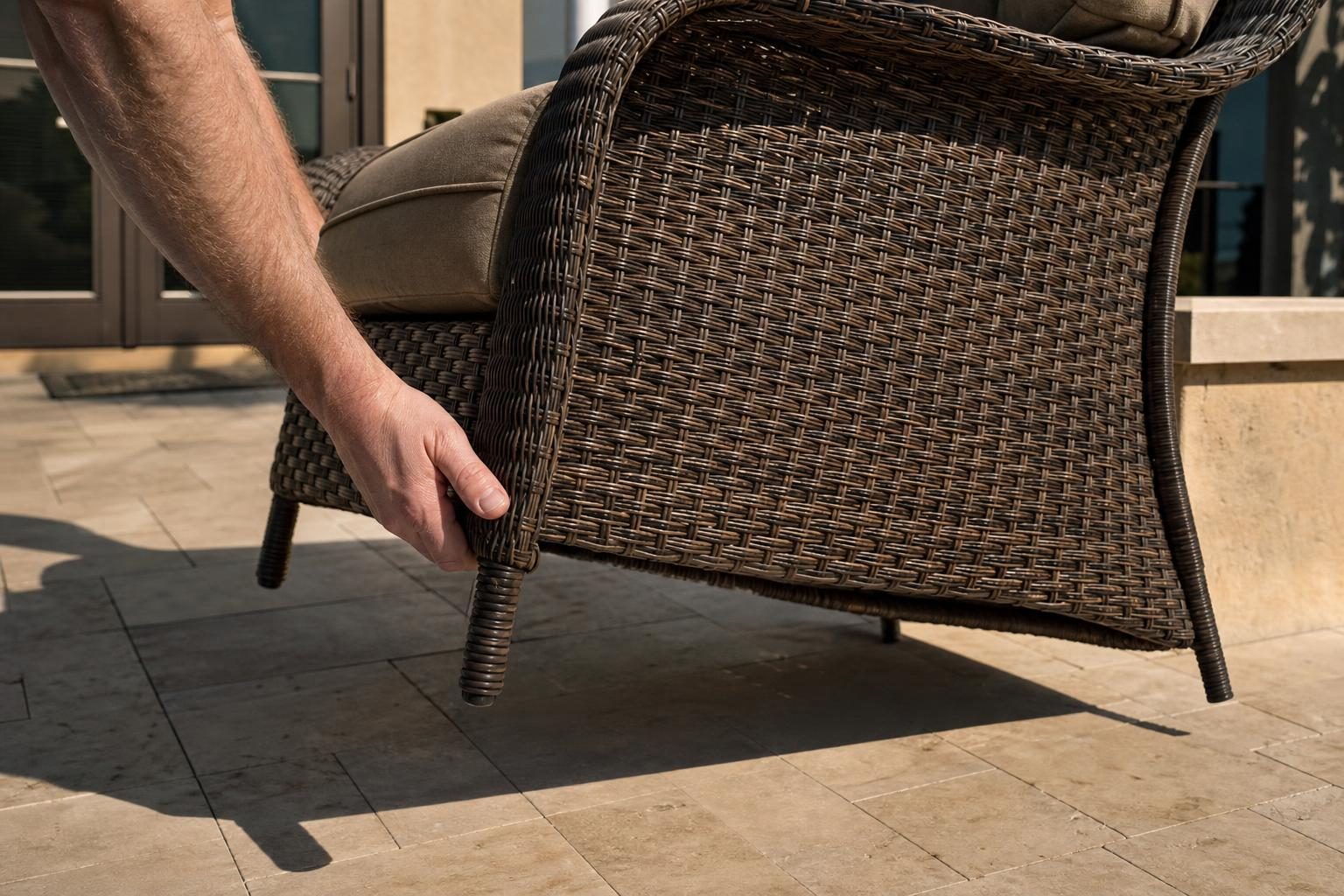
Resin wicker furniture is typically built around a metal or resin frame with a woven synthetic wicker layer over it, which adds some weight compared to bare aluminum but is still generally manageable to move for a single person, especially for individual chairs. Larger wicker pieces, like a sectional corner unit, are heavier due to their size and cushioning rather than the wicker material itself, so weight differences between aluminum and wicker often come down more to the style and size of a specific piece than the material category alone.
What Actually Drives the Weight Difference
Frame material is only one factor. A large, deep-seating wicker sectional piece will always be heavier than a single slim aluminum dining chair, regardless of material, simply because of size and cushion volume. When you are comparing weight specifically to judge how easy a piece will be to rearrange, compare similar piece types and sizes rather than material categories in the abstract.
If frequent rearranging is a real priority for your household, ask to lift a sample piece in the showroom before buying. A few seconds of hands-on comparison tells you more than a spec sheet weight listed in pounds.
For more on how frame materials compare across durability, weight, and Florida climate performance, see our patio furniture guide. General background on resin wicker furniture is covered in this overview of wicker furniture.
We have built and sold patio furniture factory-direct for more than 40 years at Palm Casual, and our showroom carries both aluminum and resin wicker lines side by side, so you can compare weight and feel directly before deciding.
Weight Also Affects Everyday Stability
Lighter furniture is easier to move, but that same quality can be a downside in open, breezy locations, since a very light chair is also easier for wind to shift or tip. On an open pool deck or an elevated balcony that catches more wind than a sheltered lanai, a bit of extra weight in a frame can actually be an advantage rather than a drawback, keeping furniture more settled in place between uses. This is worth weighing against the rearranging convenience that first draws many shoppers toward lighter aluminum pieces.
For households that want both easy rearranging and stability, some collections offer weighted bases or add-on ballast specifically for lighter frame pieces, letting you get the best of both without switching materials entirely.
A Practical Way to Compare Before Buying
If moving furniture regularly is genuinely important to your household, do not rely on a spec sheet weight in isolation. Ask to lift a floor sample of each material in the showroom, ideally the same style of piece, such as a dining chair in both aluminum and resin wicker, so you are comparing like with like. A minute of hands-on comparison tells you far more about how a piece will feel to move in practice than a number in pounds ever will, since perceived weight also depends on the shape and balance of a piece, not just its total mass.
Weight and Everyday Cleaning
Rearranging isn’t the only routine task weight affects. Sweeping, hosing down a patio, or moving furniture temporarily for pressure washing all become noticeably easier with lighter pieces. If seasonal deep cleaning is part of your regular patio upkeep, favoring lighter aluminum frames, at least for pieces you need to move every time, can save real effort over the course of a year compared to heavier alternatives that require two people or a dolly to shift even a short distance.
A Reasonable Middle Ground
Weight does not have to be an all-or-nothing decision across your whole patio. Many households land on a practical mix: lighter aluminum pieces for chairs and side tables that get rearranged often, paired with a heavier anchor piece such as a substantial dining table or sectional base that mostly stays put. This approach gets you the rearranging convenience where it matters most while still keeping a stable, grounded feel to the overall layout.
Weight Also Shapes Delivery and Setup
Weight affects the first day of ownership too, not just ongoing rearranging. Lighter aluminum pieces are generally easier to carry into place, position exactly where you want them, and fine-tune on your own without waiting for extra help. Heavier resin wicker pieces, particularly large sectional sections, may need two people to maneuver into a final position, especially around tight doorways or up a step onto a lanai. If you expect to be setting up or repositioning furniture without much assistance, that first-day handling experience is worth considering alongside the long-term rearranging convenience discussed above.
Putting Weight in Context With Your Whole Decision
Weight is one factor among several, and it should not override style, comfort, or budget on its own. A wicker sectional you genuinely love the look and feel of is still the right choice even if it is heavier than an aluminum alternative, as long as you go in knowing it will mostly stay in one arrangement rather than being rearranged every week. The goal of thinking about weight upfront is simply to avoid a mismatch between how you actually plan to use a patio and how easy the furniture you choose is to live with day to day.
Frequently Asked Questions
Is aluminum always lighter than resin wicker?
Generally, bare aluminum frames are among the lightest common options, but a large wicker piece can still be lighter than an oversized aluminum piece. Comparing similar sizes and styles gives a more accurate picture than comparing materials alone.
Does lighter furniture mean less durable furniture?
Not necessarily. Weight relates more to how easy a piece is to move than to how well it holds up over time, which depends more on construction quality and finish.
Which material is easiest to move for cleaning underneath?
Lighter individual pieces, most often single aluminum chairs, tend to be easiest to lift and move for regular cleaning.
Do cushions add significant weight to either material?
Yes, cushioned pieces are noticeably heavier than their uncushioned frames alone, which matters when comparing overall weight rather than just the bare frame.
Get Started at a Palm Casual Showroom
Lift a sample chair in each material before you decide which fits your household’s habits. Call (407) 299-9188 or learn more about how we build and sell factory-direct on our factory page.
Explore Palm Casual
Factory-direct pricing with a risk-free 30-day trial. Visit a showroom or call (407) 299-9188.
Explore Our Buying Guides
Looking for expert advice? Read our Complete Guide to Patio Furniture in Florida or Ultimate Guide to Outdoor Furniture in Florida for tips on materials, maintenance, and choosing the right set for your space.