


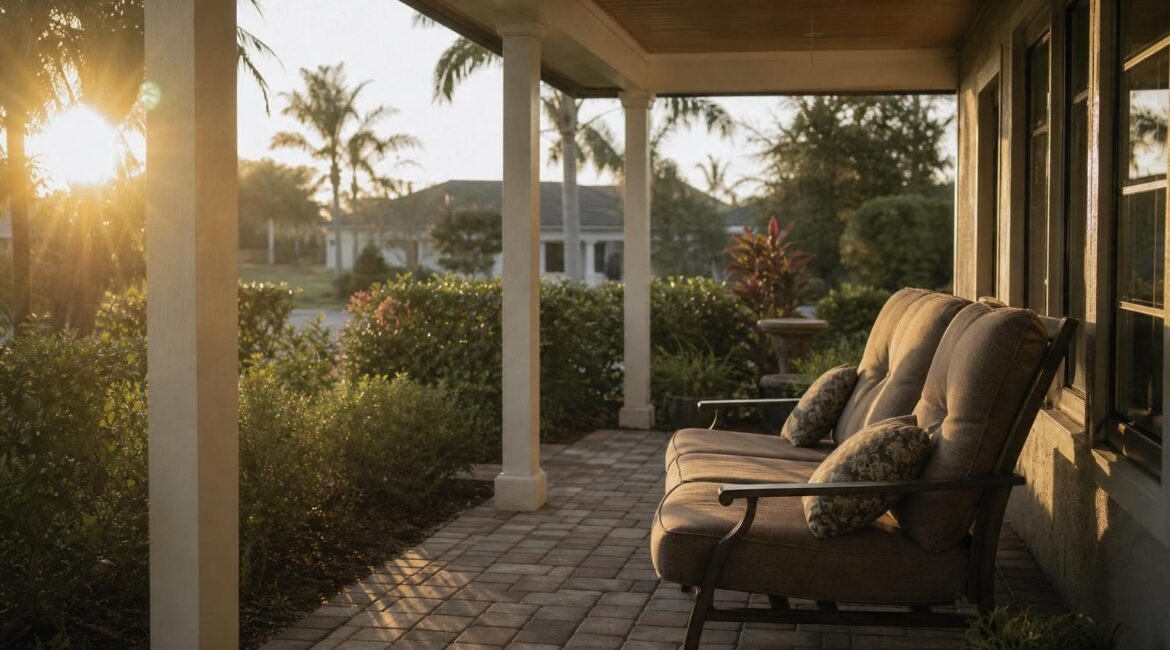
Outdoor bench backrest angle comfort is one of those details you cannot judge from a photo. Two benches can share the same width, the same finish and the same cushion, yet one feels like a place to linger through an entire Saturday afternoon while the other sends you looking for a different chair after ten minutes.
The difference is usually the lean of the back. Whether it stands nearly straight up, tilts gently, or curves to follow your spine changes how your shoulders, hips and neck are supported. Here is how to read that angle, test it in person, and match it to the way your household actually uses a bench.
Why Outdoor Bench Backrest Angle Comfort Matters More Than Padding
Most shoppers press on the cushion first. It is a natural instinct, but padding only softens the surface. The angle of the backrest sets your posture, and posture is what you feel after the first fifteen minutes.
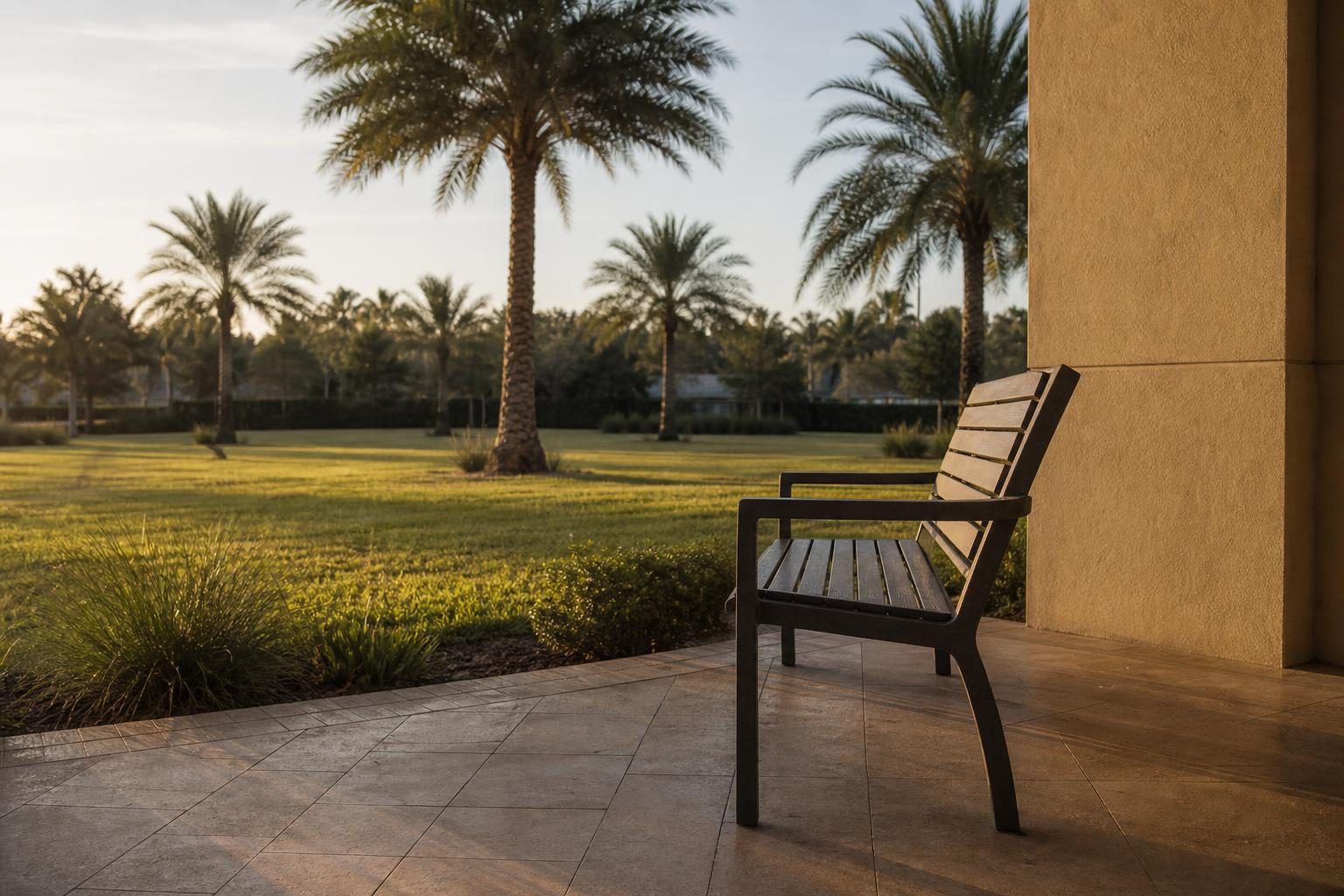
An upright back holds your torso close to vertical. That position works well for short sits: lacing shoes, waiting for a ride, chatting at the front door. Over a longer stretch, it can push your weight forward onto the edge of the seat, which is why people on very upright benches tend to perch rather than settle in.
A gently reclined back shifts a share of your upper-body weight onto the backrest itself. Your hips slide back into the corner where seat meets back, your shoulders relax, and your feet stay comfortably on the ground. Most people find this the sweet spot for reading, watching the yard, or sharing a drink.
A deeply reclined back moves you closer to lounge posture. It feels wonderful for resting, but it can make conversation awkward and standing up harder, especially on a bench with no armrests to push against. If you are unsure which suits you, remember that the general study of fitting seating to the human body is called ergonomics, and its core idea is simple: the best seat is the one that fits the sitter and the task.
Keep three angle families in mind while you shop:
- Upright: tidy, space-saving and good for short stops.
- Slightly reclined: relaxed without feeling like a lounger; the usual choice for all-purpose seating.
- Contoured or curved: a shaped back that follows the spine and often feels supportive even at a modest lean.
How to Test a Bench Back in the Showroom
A quick sit tells you almost nothing. A proper test takes a few minutes and a few deliberate movements, and it is worth doing at a showroom where you can compare several benches side by side.
Start by sitting all the way back, with your hips against the point where the seat meets the backrest. Notice where the back touches you. Ideally contact runs from your lower back to your mid-shoulders. If the back only touches your shoulder blades and leaves a gap behind your waist, you may feel tired lower down after a while.
Next, check your neck and head. On a taller back, you might be able to rest your head. On a lower one, your head has to float, and a steep recline can then tilt your chin upward. Try to hold a natural conversation or look at your phone. If you feel yourself craning, the angle is working against you.
Then test movement:
- Sit for at least five minutes without shifting on purpose. Comfort problems tend to appear after the novelty wears off.
- Stand up without using your hands. If that is difficult, picture doing it on a humid August evening after a long dinner.
- Have the tallest and shortest people in your household each sit. A back that suits one adult can feel wrong for another.
- Hold a drink and a plate to see how the angle affects reaching and eating.
Seat depth and back angle work as a pair. A deep seat combined with a strong recline can leave shorter sitters with dangling legs. Ask a Palm Casual showroom team member about the seat and back options on a specific bench, since these details vary from piece to piece.
Matching the Angle to How You Really Use the Bench
The right lean depends far less on personal taste than on where the bench lives and what happens on it. Think about the two or three most common situations and choose for those.
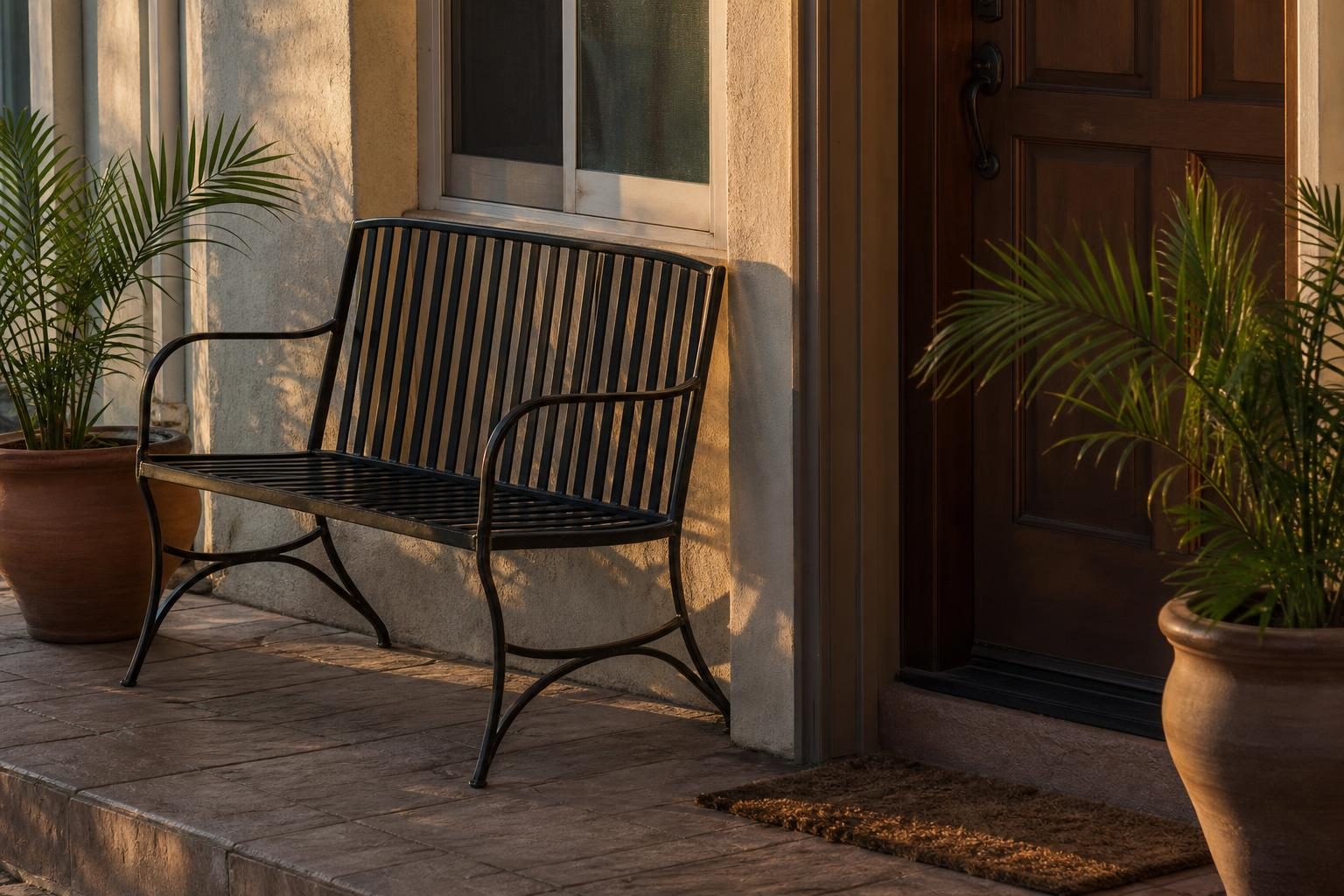
A bench by a front entry or against a garden wall is usually a short-stay seat. An upright or lightly angled back keeps the profile tidy and makes stepping in and out easy. Comfort there means being able to sit, tie a shoe, and stand without a struggle.
A bench along the edge of a pool deck or on a covered porch is more likely to host long conversations. A slight recline and a supportive back reward you here, because people stay put. Wider benches that seat two or three benefit from a shallow, even angle so no one feels pushed toward the middle.
Florida conditions add a few practical wrinkles. A reclined back exposes more of your shoulders and neck to low sun, so consider where the bench sits relative to shade. Slatted or open backs let air move behind you, which can feel noticeably cooler on a humid afternoon than a solid, fully padded back. On the other hand, a cushioned back feels softer on bare skin. If cushions are part of the plan, remember that they compress over time, and a back that feels perfectly angled today may lean a little differently once the cushion settles.
Finally, think about who sits on it. Guests with bad knees or back trouble often do better with a moderate lean and a firm, supportive back than with a deep, low recline. A bench that welcomes every age group is often the more useful choice.
Small Details That Change How an Angle Feels
Two benches with the same numbers on paper can still feel different, because several small features shape the way a back supports you.
Look at the shape of the slats or the frame. Flat slats give a firm, consistent surface, while gently curved ones tend to follow the body. Notice how the top rail meets your shoulders and whether any edge presses on you. Check for armrests, since they change how you settle in and how you push up when you leave the seat. A bench without arms offers freedom to sit sideways or stretch out, but arms give your elbows a resting place and make standing easier.
The material also matters. Aluminum, poly lumber and wicker all hold shape differently, and each responds differently to sun, so ask about the specific bench you like. General background on how benches are built and used is covered in this overview of benches, and our own patio furniture guide walks through the material choices that pair well with each style.
Palm Casual has been in business for more than 40 years, and the advice that holds up best is simple: never judge a bench while standing next to it. Take your time, sit deliberately, and let the numbers on the tag come second. Once you have a favorite in mind, check that the cushion and the seat height work with the backrest angle, since comfort on an outdoor bench comes from all of them working together for the way your household really sits.
Frequently Asked Questions
What is the most comfortable backrest angle for an outdoor bench?
For all-purpose seating, most people prefer a slight recline rather than a fully upright or deeply tilted back. It supports the torso without making it hard to stand up or hold a conversation. The best angle still depends on who sits there and for how long, so test a few in person.
Does a reclined bench back make it harder to get up?
It can, particularly on benches without armrests. The deeper the recline, the more your weight sits behind your hips, and standing requires more effort. If anyone in your household has stiff knees or a sore back, favor a moderate angle or a bench with arms.
Should an outdoor bench have a solid back or an open slatted one?
Both work, and each has trade-offs. Open backs let air circulate and shed moisture quickly, which suits humid climates. Solid or cushioned backs feel softer against the skin. Ask a showroom team member how a specific piece is built before you decide.
Can I adjust the comfort of a bench I already own?
Sometimes. Adding or changing a back cushion can alter how the angle feels, and moving the bench to a shadier spot helps in the heat. The frame angle itself is usually fixed, so if the lean is wrong for you, a different bench is the real fix.
Get Started at a Palm Casual Showroom
Sit on several benches, compare the backs side by side, and ask questions about the specific pieces you like. Call (407) 299-9188 or learn more about how we build and sell factory-direct on our factory page.
Explore Palm Casual
Factory-direct pricing with a risk-free 30-day trial. Visit a showroom or call (407) 299-9188.
Explore Our Buying Guides
Looking for expert advice? Read our Complete Guide to Patio Furniture in Florida or Ultimate Guide to Outdoor Furniture in Florida for tips on materials, maintenance, and choosing the right set for your space.
