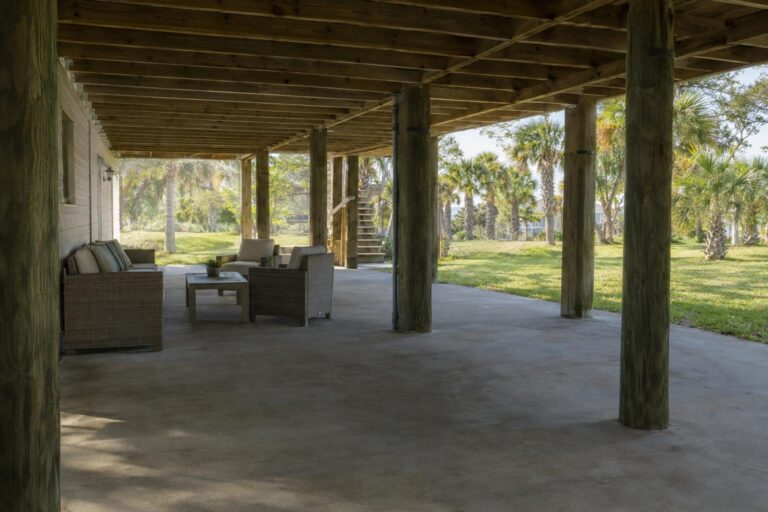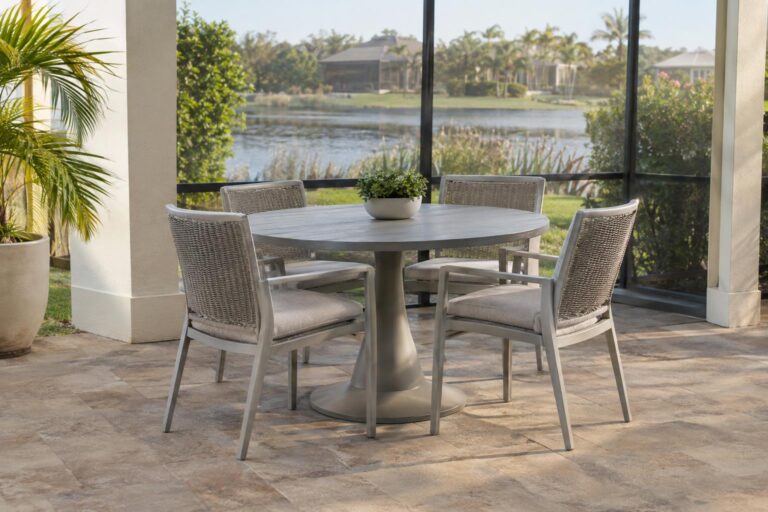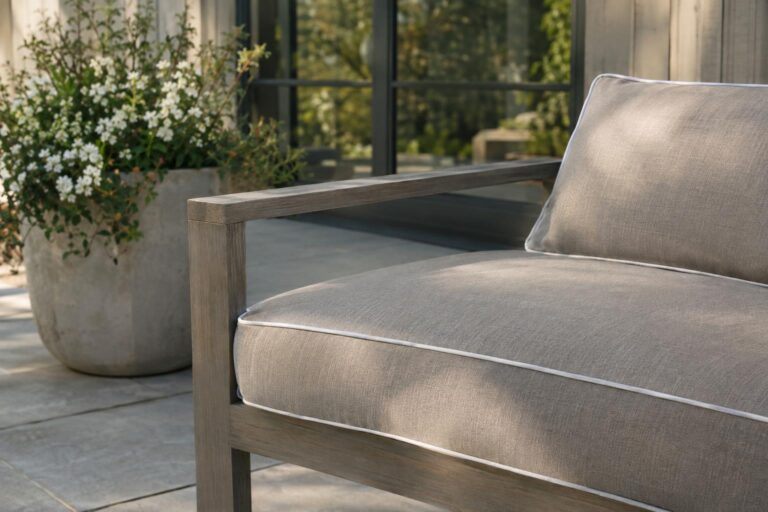


The best outdoor patio furniture in Clearwater for your backyard begins with the way you want to use the space. A dining set, a pair of lounge chairs and a conversation group solve different needs. Start with the activity you expect to enjoy most, then choose furniture that fits the available area and feels comfortable to the people who will use it.
For local shopping, Palm Casual lists a Tampa/Clearwater showroom. Check that page for its current location details when planning your visit. A regional showroom label should not replace checking the actual address. Bring your measurements and a few photographs so you can discuss specific furniture and access questions.
Choose one main purpose for the backyard furniture
Think through a normal week rather than an idealized party. Do you want to eat dinner outdoors, sit with a book or talk with family after work? Choose the main purpose first. If the space must support more than one activity, identify which area will serve each one and how people will move between them.
A dining arrangement needs comfortable seated access to a table. A lounge arrangement needs somewhere to rest drinks and enough space to approach the seats. A quiet corner may need only a single chair and a small table. Starting with these uses helps you decide whether an additional furniture piece earns its place.
Write down the number of people who will use the space regularly. Plan daily seating around that number, then decide how to accommodate occasional guests. Buying the largest set you can physically fit can leave too little room for the people who use it every day.
Measure beyond the empty furniture footprint
Sketch the patio or lanai from above and mark doors, fixed posts and any narrow passages. Record the area you can actually furnish rather than the entire backyard. Include any space you need to keep open to reach another part of the home. Furniture works as part of a route, not just as separate rectangles on a plan.
Mark proposed furniture positions with removable tape or paper. Test the route with people sitting in the chairs and getting up again. Open nearby doors fully. For a dining arrangement, allow for chairs to move away from the table. The space a chair occupies when pushed in is only part of the space it needs during a meal.
Check the delivery route too. Measure gates and doorways, and note turns between the entrance and the furniture’s final position. Ask how the selected item is supplied and what assembly or access details apply. Do not assume a piece can be taken apart simply because doing so would make delivery easier.
Compare seating comfort in person
Sit in each candidate chair long enough to notice the position of your back, arms and feet. Test it in the way you expect to use it: upright for conversation, at a table for meals or reclined only where the design permits. Ask the other regular users to try it as well.
Compare the exact cushion arrangement you would buy. A photograph showing a cushion does not explain every available configuration. Ask which parts are included in the quote and whether the displayed cushion matches the proposed order. If a chair has a swivel or reclining mechanism, ask how it is operated and how much surrounding space it needs.
Evaluate tables from the seated position. Can you reach the table without an awkward stretch? Does the base leave room for your feet? With a dining table, check the relationship between the seat, the arms and the underside of the top. Compare the exact table and chair combination instead of relying only on separate height measurements.
Use material categories to narrow the search
Palm Casual’s current catalog includes wicker outdoor furniture and aluminum outdoor furniture. Use these pages to identify styles to compare. Then check the construction, finish and care guidance of the individual piece rather than assigning the same properties to every item in a material category.
For woven furniture, ask what the weave and underlying frame are made from. For metal furniture, ask about the finish and the recommended cleaning method. For cushioned furniture, identify the actual fabric and filling. These details help you understand what ownership involves without relying on broad labels such as weatherproof or maintenance-free.
Consider the work you are prepared to do between uses. Ask how the selected cushions should be dried and stored, how the frame should be cleaned and what inspection is recommended for moving parts. Keep the answers tied to the product you are buying; a routine appropriate for one finish may not apply to another.
Compare specific pieces against your plan
The Bonita Club Chair is a current catalog example for a separate-chair layout. Review its product information and ask for current measurements before marking its footprint in your space. Confirm the cushion configuration and try the seat before deciding how many chairs to include.
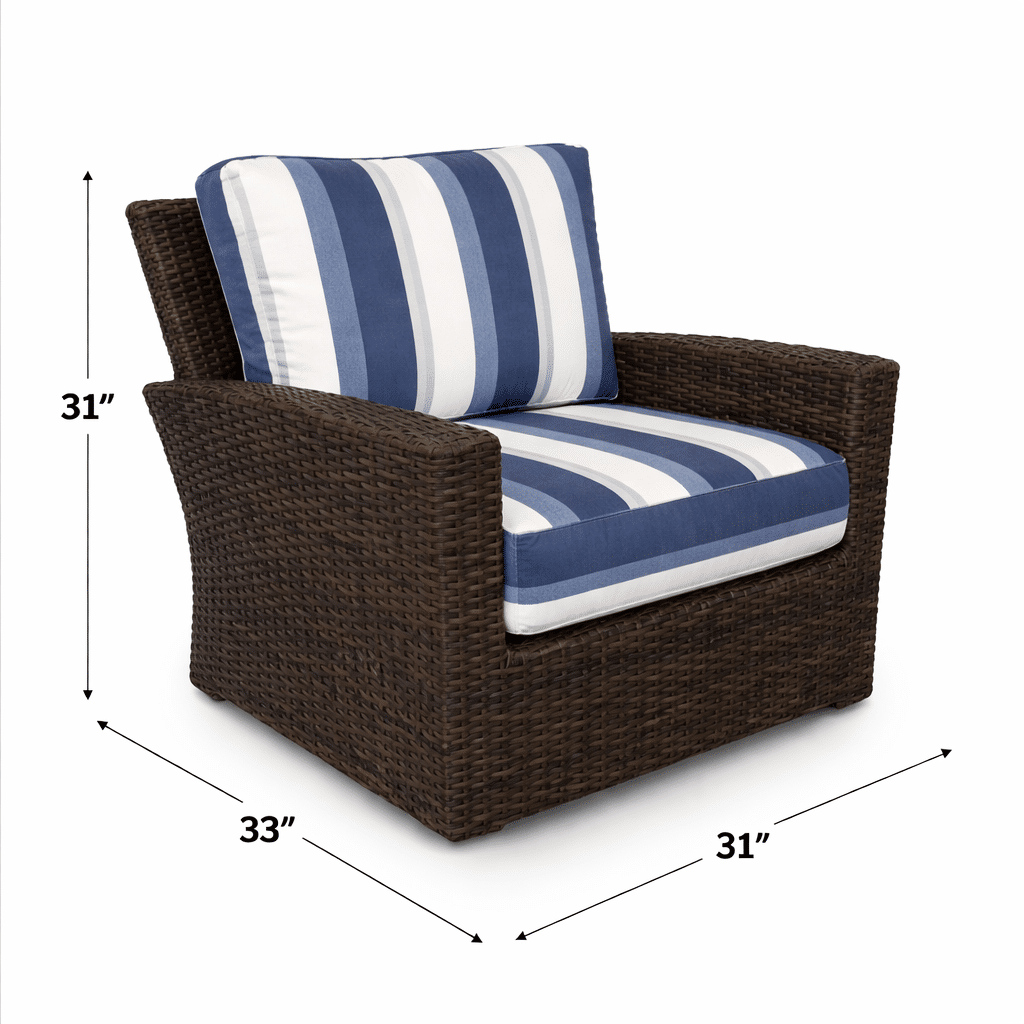
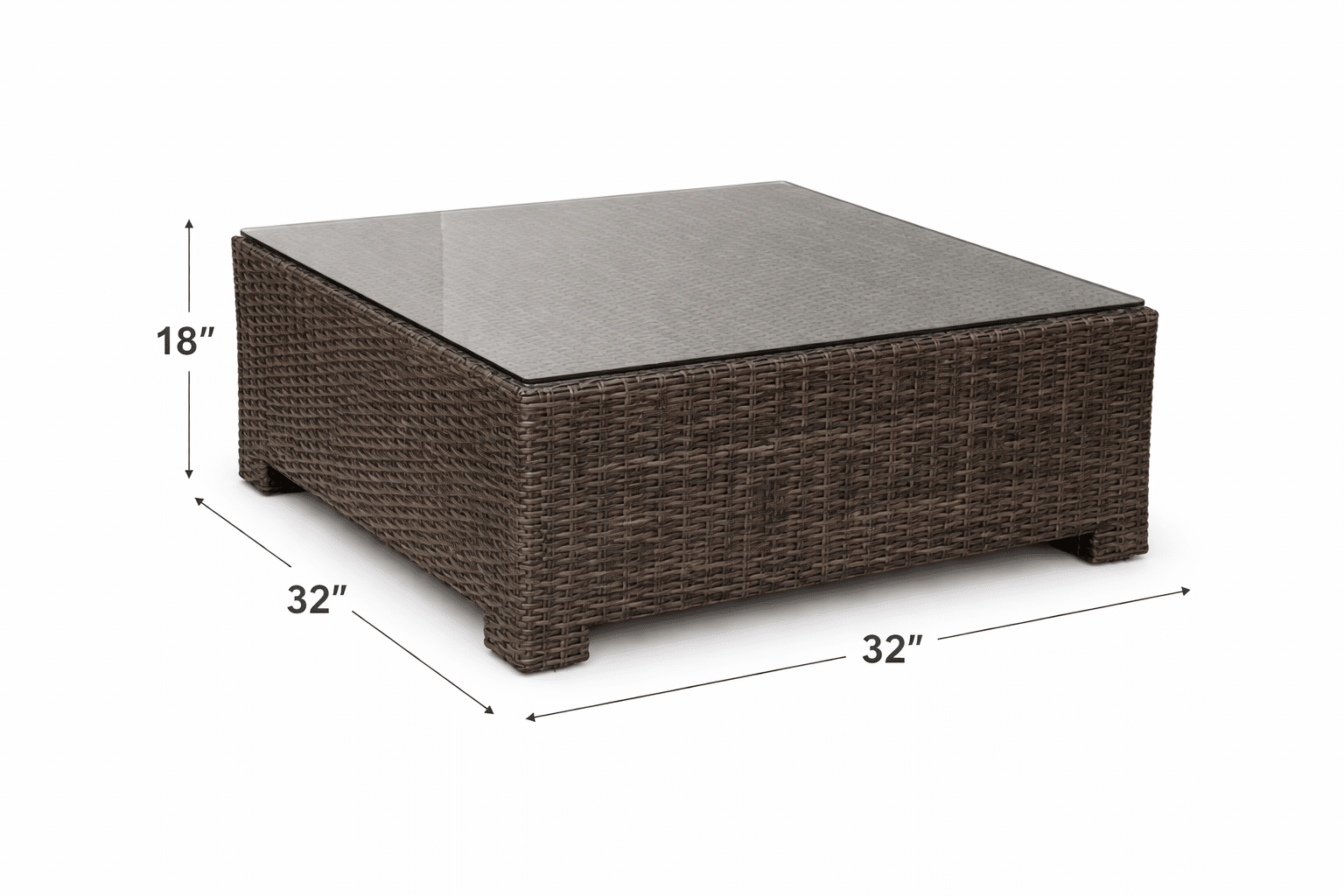
A Bonita Coffee Table offers a specific table to consider with that seating plan. Check the actual height and footprint with the chairs you select. Arrange it so it can be reached from the seats while leaving a practical walking route. A collection match does not replace testing the full layout.
If you already own outdoor furniture, bring measurements and photos of the pieces you intend to keep. Compare new finishes and proportions with those existing items. You may only need to replace one part of the arrangement, and a clear inventory prevents ordering a larger group before understanding how the pieces will work together.
Make fabric care part of the decision
Identify the fabric before choosing a cleaning routine. For Sunbrella upholstery, Sunbrella’s cleaning guide explains fabric care directly from the manufacturer. Follow the instructions appropriate to the fabric and stain involved. Those instructions do not establish how to clean the furniture frame or the cushion interior.
Ask which care documents come with the selected furniture, and save them with the order information. Confirm whether covers can be removed and how the complete cushion should dry. Avoid treating outdoor use as permission to leave spills, dirt or standing moisture unaddressed. A simple, product-specific routine is easier to follow than a collection of general cleaning tips.
Keep the design focused on the furniture you need
Choose a small number of finishes and compare samples where available. Look at them beside photographs of your patio surface and existing furniture. If you are unsure about a large arrangement, sketch a smaller alternative and compare the remaining walking space. Keep a list of the pieces you are retaining, the pieces you are replacing and the measurements still to confirm. That turns a broad search for a perfect backyard into a series of practical decisions you can check.
Review the full order before deciding
Ask for the exact product names, selected finishes and fabrics in an itemized proposal. Confirm the number of seats, included cushions and tables. Compare like arrangements when reviewing different options. A lower total may reflect fewer pieces or a different configuration rather than a better price for the same furniture.
Discuss availability, delivery or pickup and the access details for your address before making arrangements. Confirm any building or community requirements yourself. Leave the shopping visit with a plan that identifies both the furniture and the questions still to answer. A backyard feels more useful when its furniture supports everyday use and leaves enough room to enjoy the space around it.
Explore Palm Casual
Factory-direct pricing with a risk-free 30-day trial. Visit a showroom or call (407) 299-9188.
Explore Our Buying Guides
Looking for expert advice? Read our Complete Guide to Patio Furniture in Florida for tips on materials, maintenance, and choosing the right set for your space.