


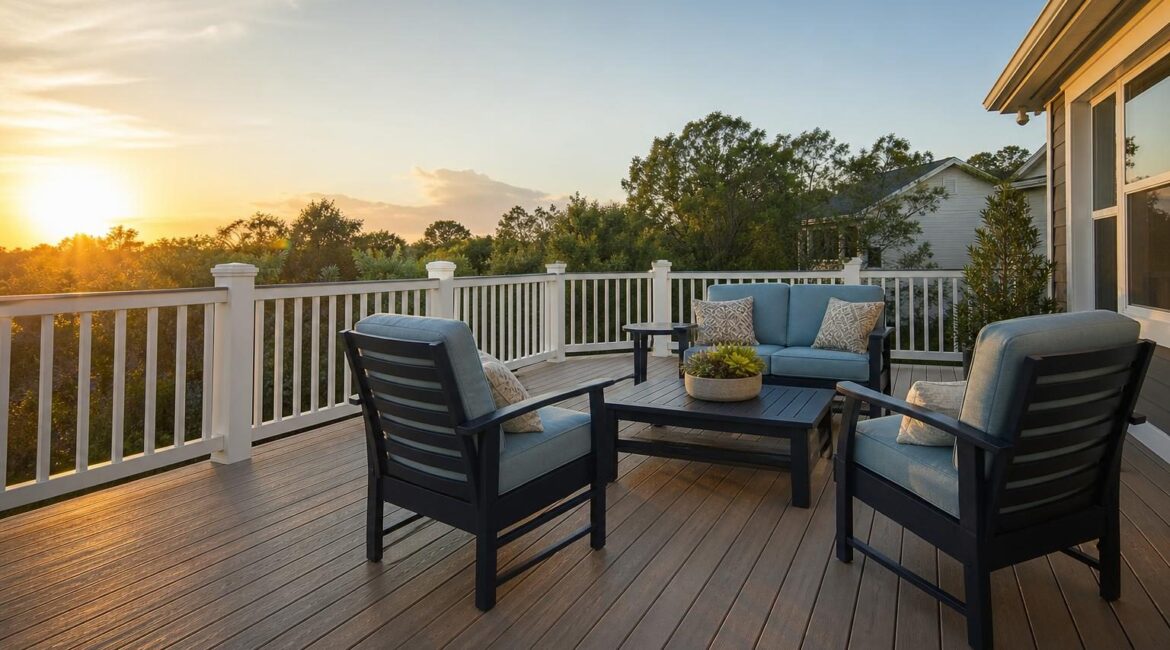
Marine-grade polymer furniture vs poly lumber is a comparison that comes up often because the two materials can look similar from a distance, both offering a solid, all-weather alternative to wood or metal outdoor furniture. They are built differently, though, and understanding those construction differences helps you know what you are actually buying rather than relying on how a piece looks on a showroom floor.
This comparison sticks to the facts: how each material is manufactured, how dense or heavy each one feels, how both handle Florida moisture, and where each one typically shows up in outdoor furniture collections. Neither material is being sold here as indestructible or maintenance-free forever — this is simply a factual look at two related but different plastic-based materials so you can make an informed choice on the showroom floor.

Why This Comparison Comes Up So Often
Because both materials are plastic-based, resist moisture, and are marketed for outdoor durability, shoppers researching either one online frequently encounter the other and assume they are the same thing under different names. They are close cousins in the broader family of engineered outdoor plastics, but the manufacturing process, typical density, and common applications differ enough that treating them as identical can lead to picking the wrong product for a specific use case, such as choosing a piece meant for adirondack-style porch seating when a molded poolside chair was really what was needed.
How the Materials Are Constructed
Poly lumber is typically made from high-density polyethylene (HDPE), often manufactured using recycled plastic such as milk jugs and detergent bottles, which is compressed and extruded into lumber-like boards. Those boards are then cut, routed, and assembled much like traditional wood furniture, using similar joinery and hardware techniques, which is part of why poly lumber furniture often mimics the look of painted wood adirondack chairs and porch furniture.
Marine-grade polymer generally refers to a related but distinct category of resin-based material engineered specifically for continuous exposure to sun, salt air, and moisture, often used in boat and dock-adjacent applications before becoming popular in outdoor furniture. It is frequently molded rather than assembled from routed boards, allowing for more rounded, contoured shapes that would be harder to achieve with flat poly lumber boards.
Reading Product Descriptions Accurately
Because “poly,” “polymer,” and “poly lumber” are sometimes used loosely in furniture marketing, it is worth asking directly which construction method a specific piece uses rather than assuming based on the name alone. A quick question to our showroom team about whether a given piece is built from routed boards or a molded design will tell you which category it actually falls into, and from there you can judge weight, shape flexibility, and typical application accordingly.
Density and Weight Differences
Poly lumber tends to have a noticeably solid, heavy feel similar to actual lumber, which is part of its appeal for pieces meant to stay in one place, such as adirondack chairs or porch benches. That weight also makes it more resistant to shifting in wind compared to lighter materials.

Marine-grade polymer furniture varies more in weight depending on the specific product and wall thickness of the molded piece, since it is engineered for its application rather than for a lumber-like density. Some marine-grade polymer pieces are intentionally lighter for easier repositioning around a pool or dock area.
Color-Through Construction and Moisture Performance
Both materials commonly use color-through construction, meaning the color is mixed into the material itself rather than applied as a surface coating or paint layer. This is a meaningful factual difference from painted wood furniture, where a surface coating can chip or peel over time, exposing the material underneath. With color-through poly lumber or marine-grade polymer, a scratch or scuff typically reveals the same color beneath the surface rather than a different substrate color.

Both materials are also engineered to resist moisture absorption, which matters in Florida’s humidity and frequent rain. Neither material swells, rots, or splinters the way natural wood can when repeatedly exposed to moisture, since the base material itself is a non-porous plastic rather than an organic fiber. That non-porous surface also means neither material gives mold, mildew, or wood-boring pests the organic material they would need to take hold, which is part of why plastic-based furniture tends to need less seasonal upkeep than natural wood in a humid climate. A routine wipe-down with mild soap and water is generally enough to keep either material looking clean, since dirt sits on the surface rather than soaking in.
How Each Material Handles Temperature Changes
Dark-colored poly lumber and marine-grade polymer can both get warm to the touch after hours of direct Florida sun, similar to how any dark-colored outdoor surface heats up. Lighter colors in either material stay noticeably cooler underfoot or to the touch. This is a factor worth considering for pieces like dining chairs or loungers that see direct skin contact, particularly if the furniture sits in full sun without shade for much of the day.
Both materials are also dimensionally stable across temperature swings, meaning they do not expand, contract, warp, or crack the way some untreated woods can when moving between a hot afternoon and a cooler, humid evening, which is one of the practical advantages of plastic-based outdoor materials over natural wood in a Florida climate.
Typical Uses for Each Material
Poly lumber is most commonly found in adirondack chairs, porch rockers, benches, and other pieces where a traditional wood furniture silhouette is part of the appeal. Marine-grade polymer shows up more frequently in dining chairs, contoured lounge furniture, and pieces designed for direct proximity to pools, docks, or waterfront decks where its molded, rounded shapes and application-specific engineering are advantages.
Neither material is inherently “better” across the board — the right choice depends on the look you want and where the furniture will sit. Our showroom displays both materials side by side so you can compare the texture, weight, and finish options directly before deciding which fits your patio, porch, or waterside deck.

Whichever polymer you choose, compare the maker’s maintenance instructions. Tropitone’s material-specific care guidance shows why care should be matched to the actual furniture material.
Frequently Asked Questions
Is marine-grade polymer the same material as poly lumber?
They are related but distinct. Poly lumber is typically made from high-density polyethylene assembled like lumber boards, while marine-grade polymer is a resin-based material often molded into contoured shapes and engineered for continuous exposure to sun, salt air, and moisture.
Does poly lumber furniture fade in Florida sun?
Poly lumber commonly uses color-through construction, meaning color is mixed into the material rather than applied as a surface coating. This construction method is designed to reduce visible color change from ongoing sun exposure compared to painted wood surfaces.
Can marine-grade polymer furniture be used away from the water?
Yes, marine-grade polymer furniture works well on any patio, lanai, or deck, not just waterfront settings. The “marine-grade” designation refers to the engineering standard it is built to, not a requirement that it be used near water.
Which material is heavier, poly lumber or marine-grade polymer?
Poly lumber generally has a denser, heavier feel similar to actual lumber. Marine-grade polymer weight varies more by specific product, since it is molded and engineered for its particular application rather than built to mimic wood density. Lifting a sample of each in our showroom is the fastest way to feel the difference for yourself.
Want to feel the difference between these two materials yourself? Visit our Bonita Springs showroom or call (407) 299-9188 and our team can walk you through both options.
Explore Palm Casual
Factory-direct pricing with a risk-free 30-day trial. Visit a showroom or call (407) 299-9188.
Explore Our Buying Guides
Looking for expert advice? Read our Complete Guide to Patio Furniture in Florida or Ultimate Guide to Outdoor Furniture in Florida for tips on materials, maintenance, and choosing the right set for your space.
