


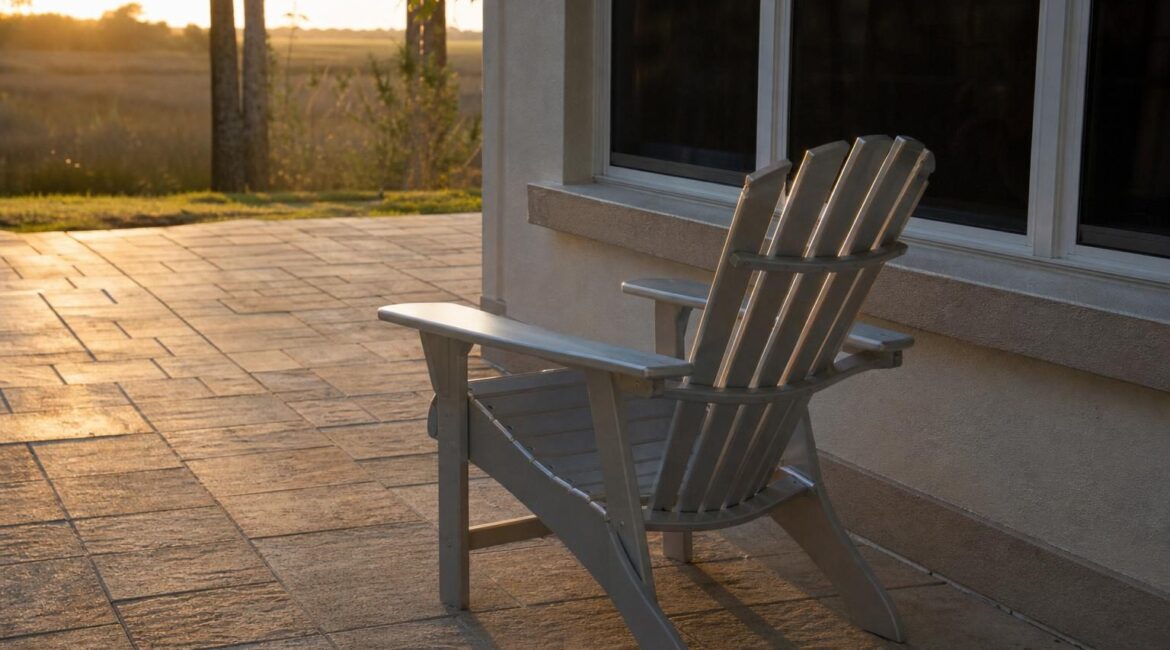
Most shoppers judge an Adirondack by its looks, but Adirondack chair seat height getting in and out is what you will notice every single evening. The wide arms and slanted back are famously relaxed, and the seat often sits close to the ground, which is exactly what makes the chair feel so restful once you are down in it.
That same low, reclined seat is also the reason some owners quietly stop using theirs. A chair you dread standing up from is a chair that gathers dust on the patio. Here is how to think through seat height, recline and armrests so the chair you choose stays comfortable for everyone who sits in it.
Adirondack Chair Seat Height, Getting In and Out, Explained
The classic Adirondack was designed around a sloping, sit-back posture. The seat tilts backward, the back leans further, and the front edge of the seat is frequently lower than the seat of a typical dining chair. The history of the Adirondack chair traces this shape back to a rustic lawn chair built for slow, restful sitting.
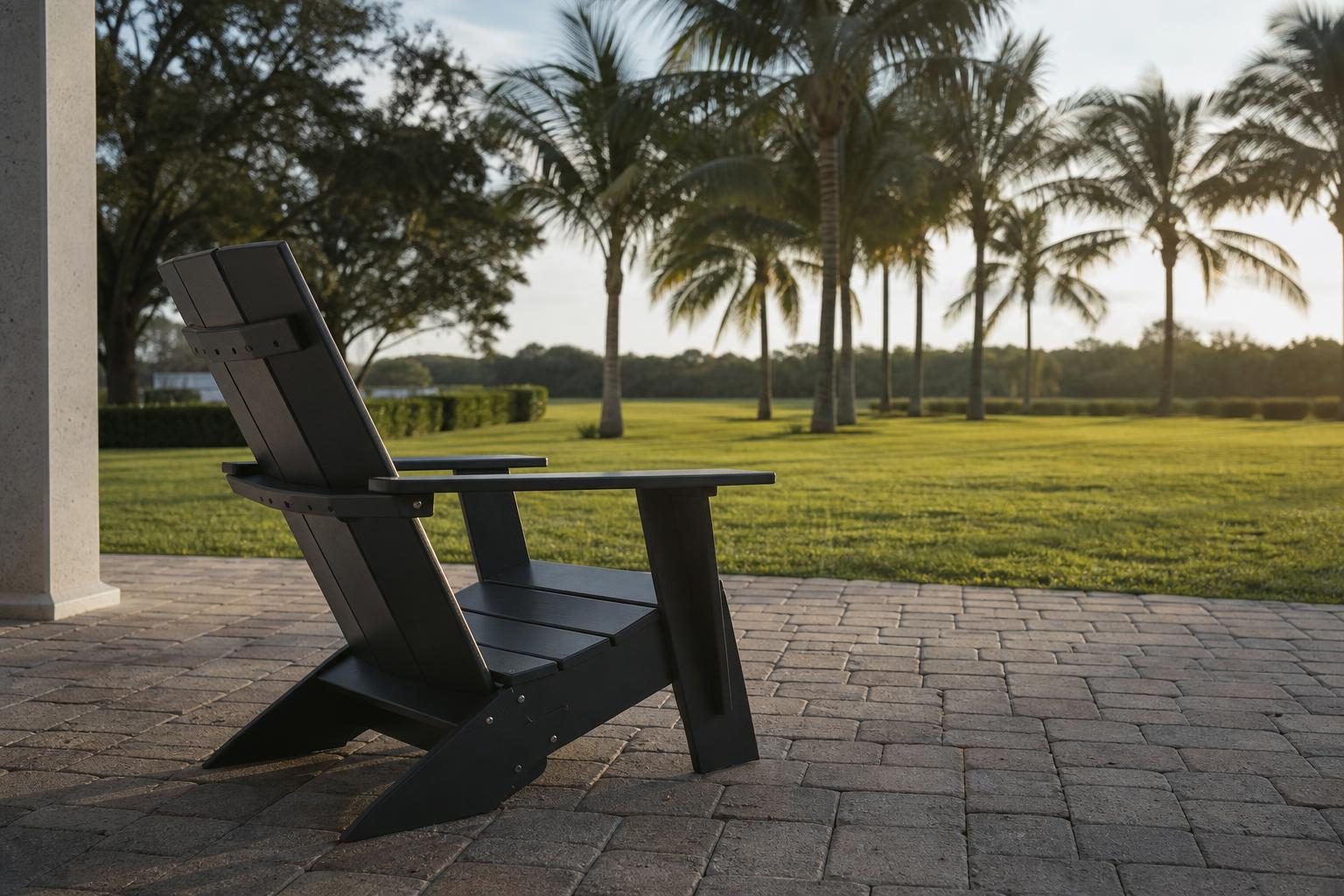
Two things combine to make standing up harder than it looks. First, when the seat is low, your knees end up higher than your hips, and you have to lift your body a longer way against gravity. Second, the backward tilt means your center of weight is behind your feet, so you must rock forward before you can rise. Put those together and a chair that looks generous on the porch can demand real effort from a stiff knee or a sore back.
Seat height is not a flaw by itself. Plenty of people love a low chair. The point is to choose it on purpose rather than by accident. Ask yourself three questions before you sit:
- Who will use this chair most, and how comfortable are they with getting up from low seats?
- Will the chair stand on a hard, level surface such as pavers or a lanai floor, or on softer ground that can tilt the frame?
- Do you want a relaxed lounge feeling, or a chair you can step in and out of throughout an evening?
Differences in seat height and slope exist between styles, so ask a Palm Casual showroom team member about the specific chair you are considering rather than assuming every Adirondack sits the same.
What to Feel for When You Sit and When You Stand
A showroom gives you something a website cannot: the chance to repeat the whole sit-and-stand cycle several times. Treat it like a small experiment and pay attention to your body, not only the look.
Begin by lowering yourself into the chair without using your hands. Notice whether you drop or glide. A big, sudden drop at the end usually points to a seat set very low or very steep. Then lean back fully and rest for a minute. Check whether your knees feel crowded, whether your feet reach the ground, and whether your lower back feels supported or hollow.
Now stand up. Try it first with your hands on the armrests, then again with your hands off. Here is what to watch:
- Front edge of the seat: a gently curved or slightly rounded edge is kinder on the backs of your thighs when you rock forward.
- Armrest position: arms should sit at a height where you can push down naturally without hiking your shoulders.
- Effort to rise: if you have to swing your body or grab for support, imagine repeating that at the end of a long day.
- Stability: the chair should not slide or tip when you push off it.
Bring the whole household if you can. A tall adult, a shorter guest and an older family member each feel a low seat differently, and it is far better to learn that in the store than on your patio. Note also that the back angle and the seat height interact: a steeper recline makes a low seat feel even lower.
Armrests, Recline and Ground Conditions in Florida
Armrests do double duty on an Adirondack. Wide, flat arms are great for a drink or a book, but they only help you stand if you can grip or press on them comfortably. Very wide arms sometimes force your elbows outward, which reduces the leverage you need to push up. Sit and try before you decide.
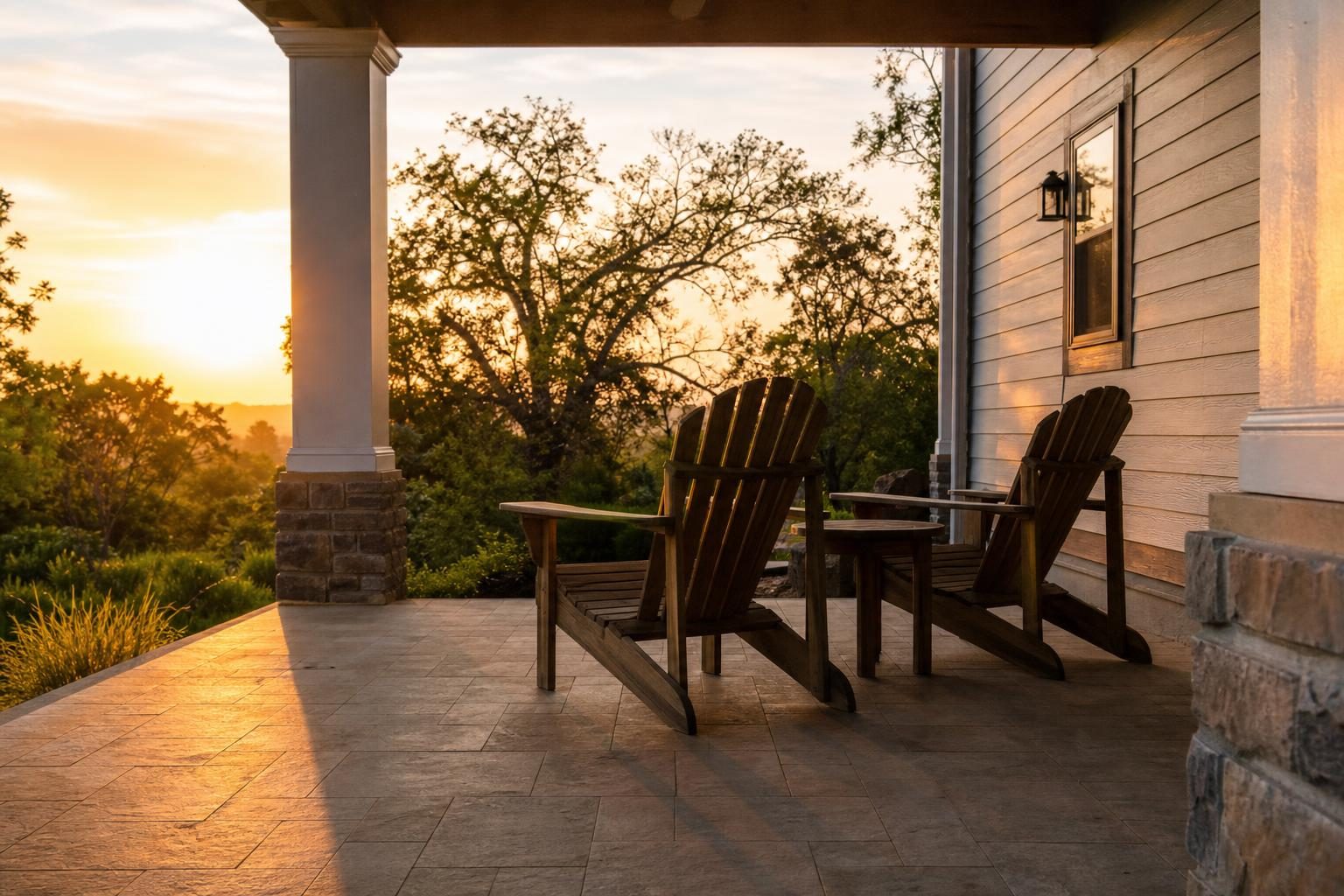
Recline matters just as much. A deeper back angle feels dreamy for a long soak in the evening breeze, but it lengthens the journey to standing. If you want to enjoy both the look and easy exits, consider a design with a somewhat more upright back and a slightly higher seat. Some styles are built that way, so ask what is available rather than assuming.
Florida living adds its own considerations. Many patios and lanais are paved, but yards can be sandy or uneven, and a chair with a low, wide stance can settle unevenly on soft ground, making the exit even harder. Damp mornings, humid evenings and afternoon rain can leave surfaces slick, so think about the footing around the chair as well as the seat. A stable, level spot with room to plant your feet makes a real difference.
Material also affects everyday use. Aluminum, poly lumber and wicker each carry a different weight and feel, and each responds differently to heat from the sun. If a chair will sit in direct light, remember that the surface you touch when you push off the armrests can be warm. For a broader look at how materials behave in outdoor conditions, see our patio furniture guide.
Choosing a Chair You Will Actually Use
The best Adirondack is the one that gets used, which means matching it to the people who will be sitting in it. Households with older adults or anyone recovering from an injury usually do best with a higher seat, a moderate recline and sturdy arms. Families with kids may prefer a lower chair that feels like a cozy nook. Couples who like to chat often enjoy a pair placed with a small table between them and open floor space in front, so standing up never requires a squeeze.
Think about placement as well. Leave clear room ahead of the seat so your feet can slide forward, and avoid tucking a chair tight against a wall or planter where you cannot rock forward. If you plan to add cushions, keep in mind that padding raises the seat slightly and may soften the feel of a hard slope. A firm, thin cushion tends to keep the exit easy.
Palm Casual has been in business for more than 40 years, and our factory-direct approach means you can compare several chairs in person before you commit. Bring your questions, sit a few times, and weigh Adirondack chair seat height, getting in and out, and the looks and material together, so the chair you take home is one you will still enjoy a year from now.
Frequently Asked Questions
Why are Adirondack chairs so hard to get out of?
The seat is usually low and tilted backward, which puts your knees above your hips and your weight behind your feet. You have to rock forward and lift more of your body than you would from a regular chair. Armrests you can press on and a slightly higher seat both make standing easier.
Are there Adirondack chairs that are easier to stand up from?
Yes, seat height and recline vary between styles, and some designs sit higher with a more upright back. Ask a Palm Casual showroom team member which pieces suit easier exits, then sit in them yourself to confirm.
Do cushions make an Adirondack chair easier to use?
They can add comfort, but they also change the seat height and slope slightly. A firm, modest cushion tends to help without making the chair feel unstable. Very thick padding can make it feel like you are sinking in.
Where should I place an Adirondack chair on a patio?
Choose a level, hard surface with clear room in front of the seat so your feet can slide forward as you rise. Keep it away from tight corners and steps. A small side table nearby is handy, as long as it does not block the path out.
Get Started at a Palm Casual Showroom
Come sit in a few chairs, stand up from each one, and ask our team about the specific styles that fit your household. Call (407) 299-9188 or read more about who we are on our factory page.
Explore Palm Casual
Factory-direct pricing with a risk-free 30-day trial. Visit a showroom or call (407) 299-9188.
Explore Our Buying Guides
Looking for expert advice? Read our Complete Guide to Patio Furniture in Florida or Ultimate Guide to Outdoor Furniture in Florida for tips on materials, maintenance, and choosing the right set for your space.
